Quote
Hi everyone! It has been a while since my last post. I’ve been completely wrapped up with finishing key features for my W’xOps IDP and preparing for my trip to KubeCon & CloudNativeCon 2026 in Japan.
Now that I’m back home, resting after my journey, I finally have the space to write this down. Here are my thoughts on traveling to Japan for the very first time, attending KubeCon, and connecting with global engineers and maintainers from all around the world.
English Version
My thought first
A Dream Realized: My Journey to KubeCon Japan 2026 ⛩️✈️
First of all, I want to express how incredibly grateful I am to have been a part of KubeCon & CloudNativeCon Japan 2026 in Yokohama, and to experience Japan as a first-time visitor. It has easily been one of the absolute highlights of my year. This trip held a special place in my heart—it was my very first time traveling overseas, and it was a solo journey.
It all started with a small spark of an idea when I first saw that KubeCon 2026 was being hosted in Yokohama. At the time, I wasn’t 100% sure if I could actually make it happen. But step by step, the dream became reality: planning the itinerary, booking flights and hotels, and navigating the visa approval process as a first-timer. Ticking off one of the biggest goals on my 2026 bucket list felt surreal.
Connecting with the Community & New and Old Friends
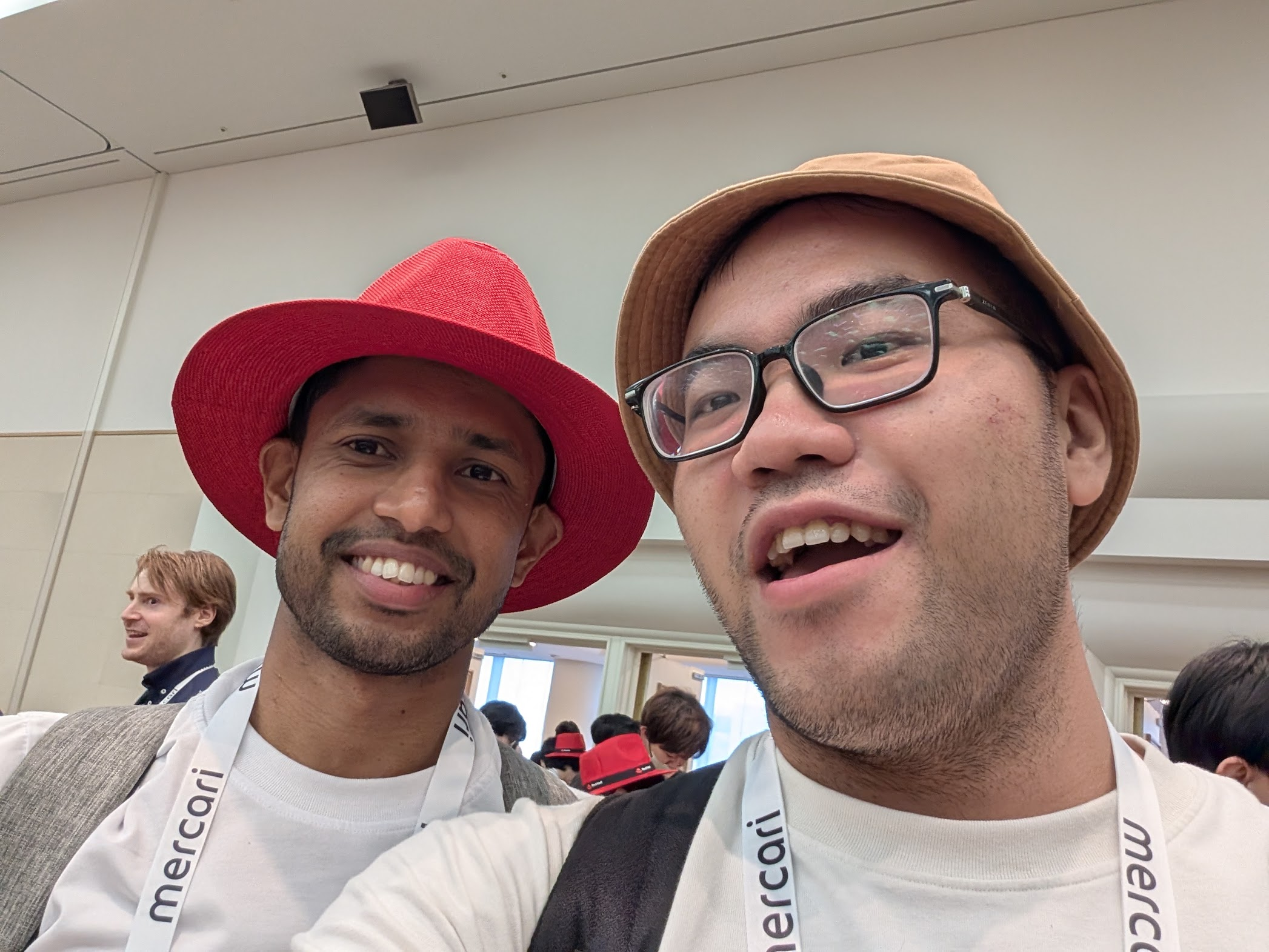
Attending KubeCon allowed me to make new friends and share a cheer with open-source maintainers—the very people who built the tools that shaped my career. Meeting them face-to-face and expressing my genuine appreciation for their work was an opportunity I will cherish forever. Even if my career path evolves down the road, I know I will never regret taking this leap.
To top off an already fantastic experience, I reconnected with a close friend from high school. We spent two days exploring Tokyo together, immersing ourselves in Japanese culture—from the energetic crowds at Shibuya Crossing, Akihabara, and Shinjuku, to standing beneath the iconic Tokyo Tower.
Quote
It was a journey filled with tech, friendship, and personal growth that I’ll never forget.
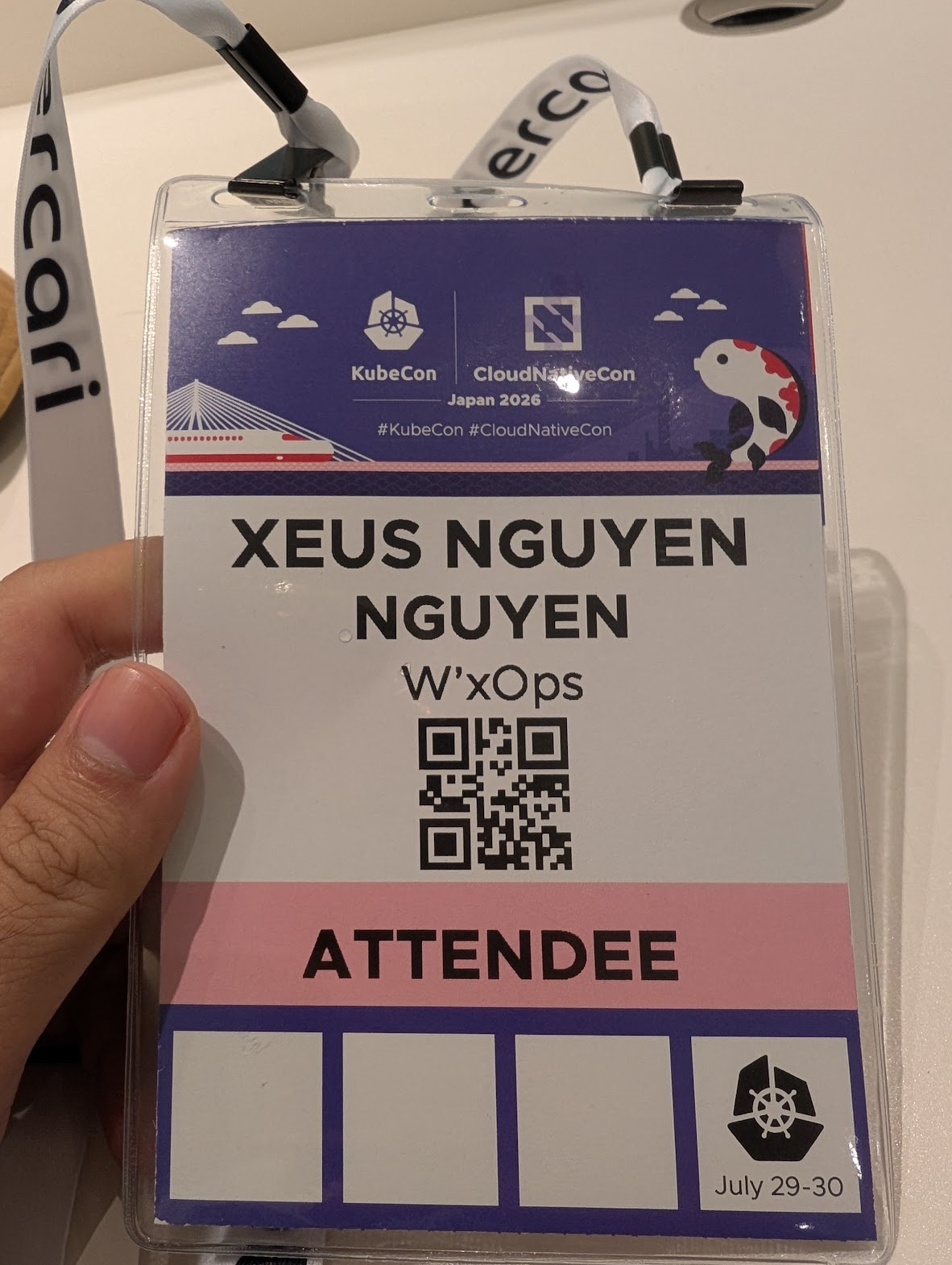
Advice for Future KubeCon Attendees 💡
Attending KubeCon was one of the biggest reasons I traveled to Japan, and looking back, it was worth every single penny.
The event organization is top-tier - everything from food and beverages to the swag and gifts is well taken care of. Depend on what each person experience with KubeCon, For me, while many people focus on collecting prizes from vendor booths, I found the real value was in using that time to talk, share experiences, and build genuine connections with fellow tech enthusiasts and open-source communities.
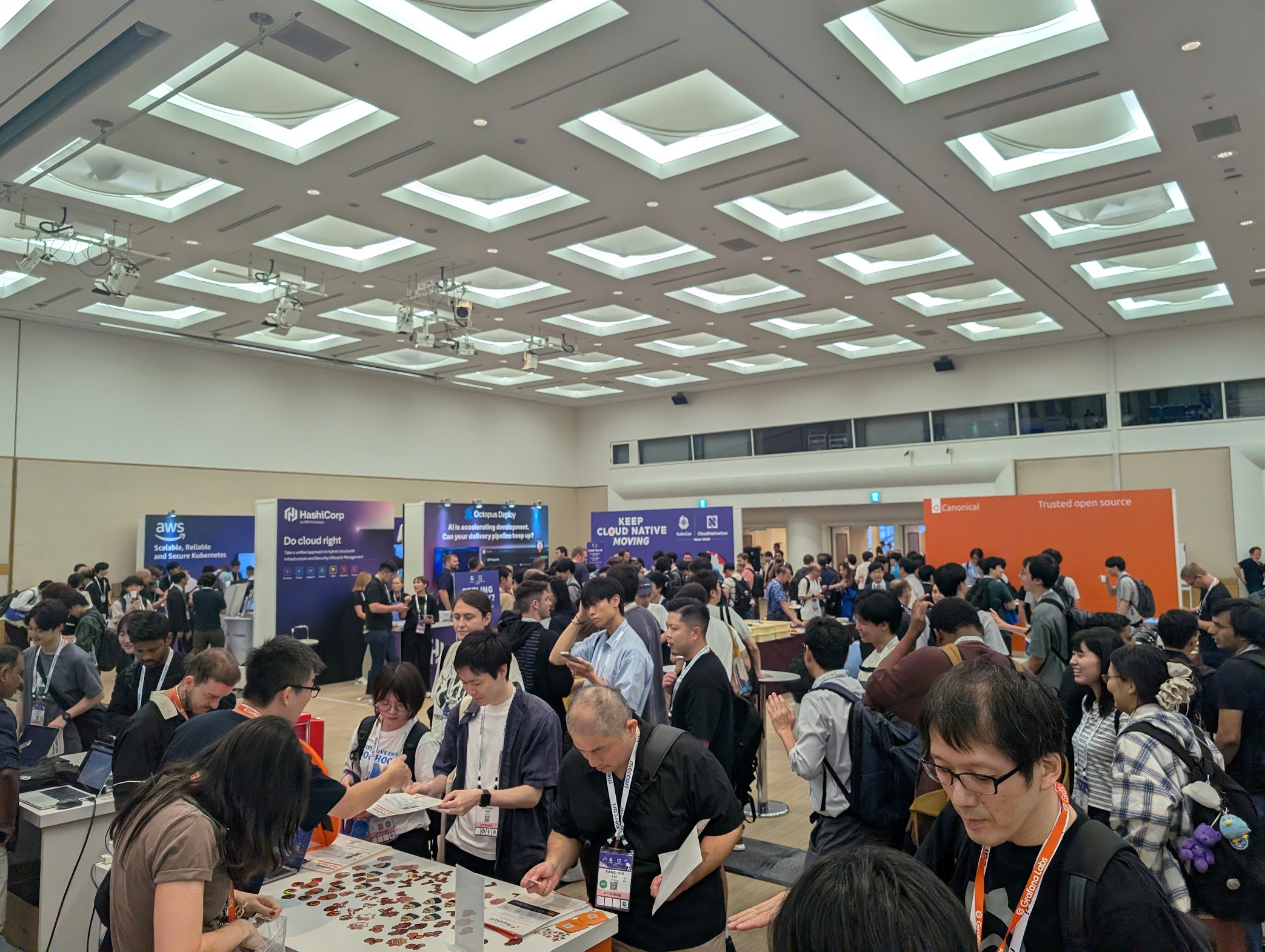
If you’re planning your first KubeCon trip, here are a few honest realities to keep in mind:
1. Navigating the Solo Attendee Experience
Going alone can feel intimidating or isolating at first—that was certainly my experience when I arrived. However, the Cloud Native community is remarkably friendly and welcoming. I ended up having great conversations with maintainers of massive projects and walked away with clear next steps for my own technical journey. Even if every conversation doesn’t lead to an immediate follow-up, simply sharing your work and putting yourself out there is a huge win.
2. Language & Cultural Boundaries Matter
Choosing a country you love to host the conference doesn’t automatically guarantee a seamless experience. Differences in language, local culture, and communication styles can present unexpected hurdles. Thorough preparation is key. If you take the time to prepare for the local culture and language barriers beforehand, you set yourself up for an incredible, smooth journey.
Final Reflections: A Double-Edged Sword ⚖️
Every trip is a double-edged sword—it brings unforgettable moments, but also valuable lessons to prepare you for the next one.
Looking back, I have zero regrets. If there is one thing I felt a bit sad about, it was the difficulty in deeply connecting and sharing ideas with local Japanese engineers compared to international attendees who spoke English as their primary language. Navigating that language barrier was a challenge, but it taught me a lot about how to communicate better in global tech spaces.
Ultimately, this journey pushed me out of my comfort zone, expanded my horizons, and gave me memories I will carry with me for the rest of my life. Here’s to learning, growing, and getting ready for the next adventure! 🥂
I got edited video for the days I have been Japan, I lovely share it for y’all guys
Now, Let’s delve deeper into specific categories about KubeCon + CloudNativeCon 2026 at Japan below
KubeCon and CloudNativeCon 2026
Keynote Highlights: Cloud Native is a Culture 🎙️
Before diving deeper into my personal takeaways, you can check out more details and sessions from KubeCon Japan 2026 using the links below:
- 📺 YouTube Keynote Playlist – Explore the top topics and talks presented at KubeCon Japan 2026.
- 📅 Presentation Schedule & Deck – Session details and slides (available 2–3 weeks post-event).
- 🚀 KubeCon + CloudNativeCon Japan Presentation - The full presentation recorded by CNCF for who want to rewatch again about KubeCon 2026 at Japan
Among the incredible presentations, two keynotes stood out to me:
- “Keep Cloud Native Moving” by Jonathan Bryce & Chris Aniszczyk (Watch on YouTube)
- “Where Will Cloud Native Take You?” by Jeffrey Sica (Watch on YouTube)
Core Takeaways
These talks were a powerful reminder that Cloud Native is ultimately a culture. Even in the midst of the rapid AI boom, open-source remains vibrant and essential.
No matter how fast AI models evolve, the underlying infrastructure still relies heavily on Cloud Native solutions. As long as we keep contributing, building, and supporting one another, this foundation isn’t going anywhere. Don’t be afraid of the rapid shifts—we have a mature ecosystem and a welcoming community to back us up. Don’t hold back; keep pushing forward. Cloud Native is here to stay, now and for the future!
CloudNative and The sustainable backbone of AI Platform with Infrastructures
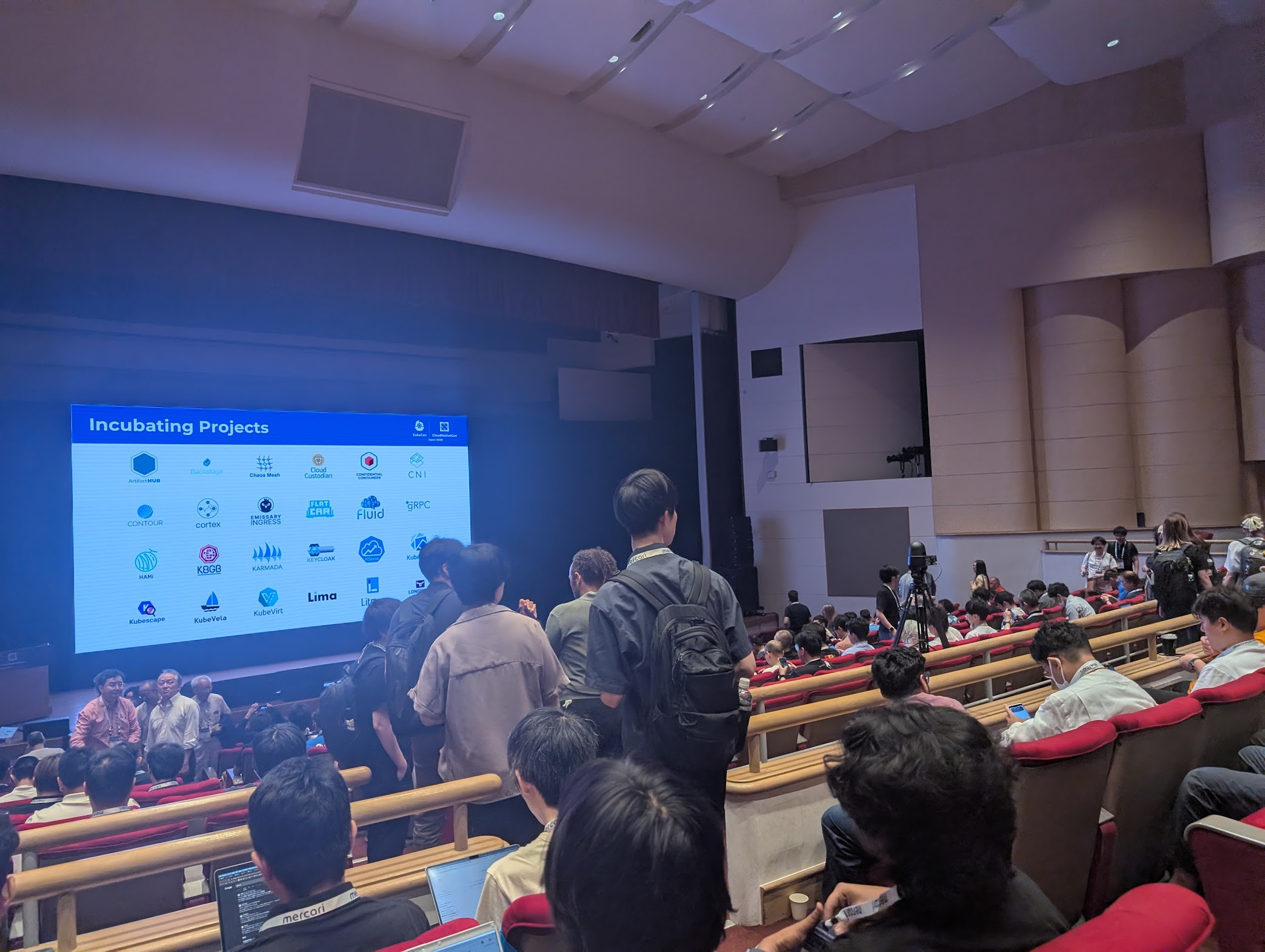
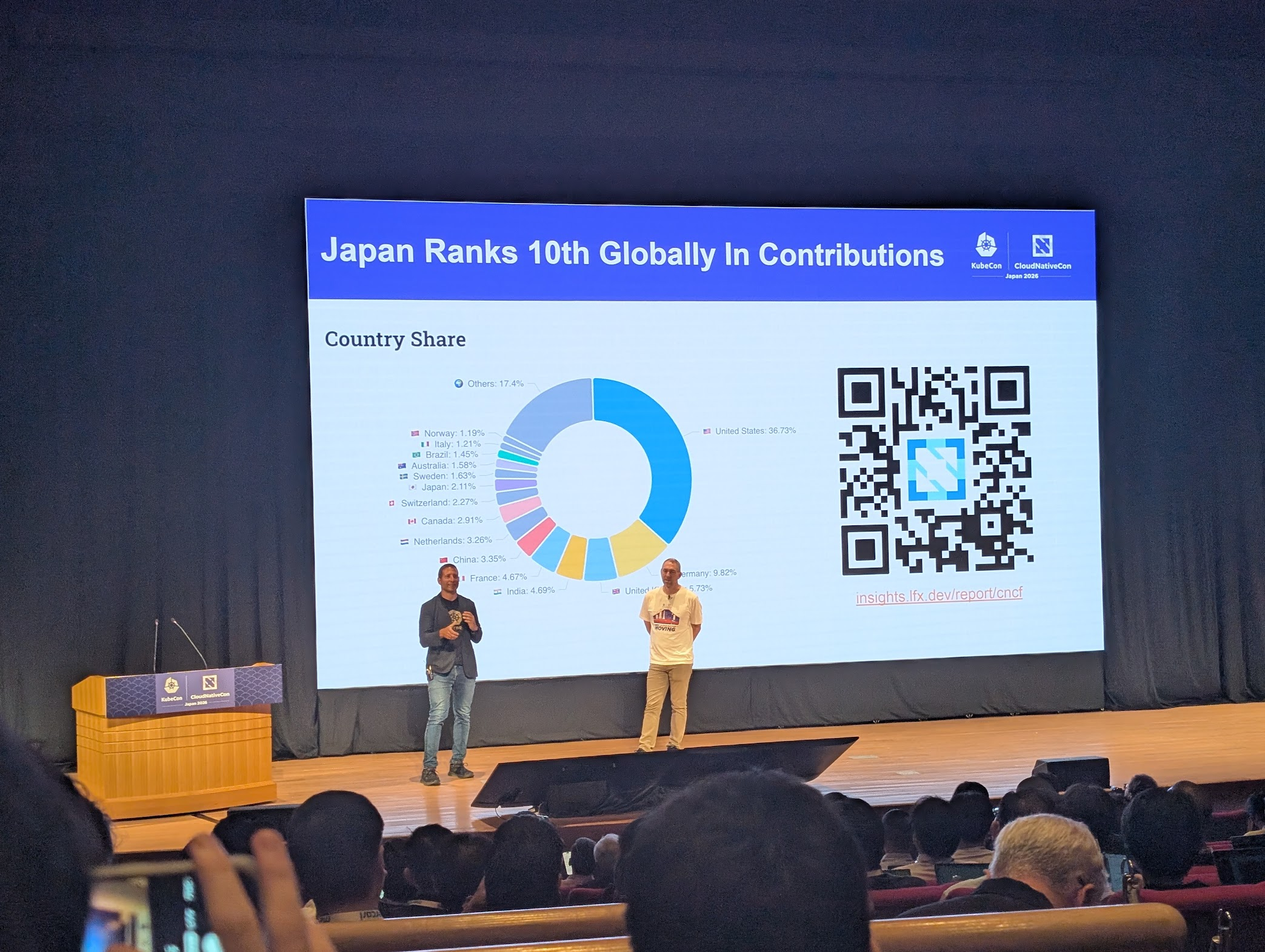
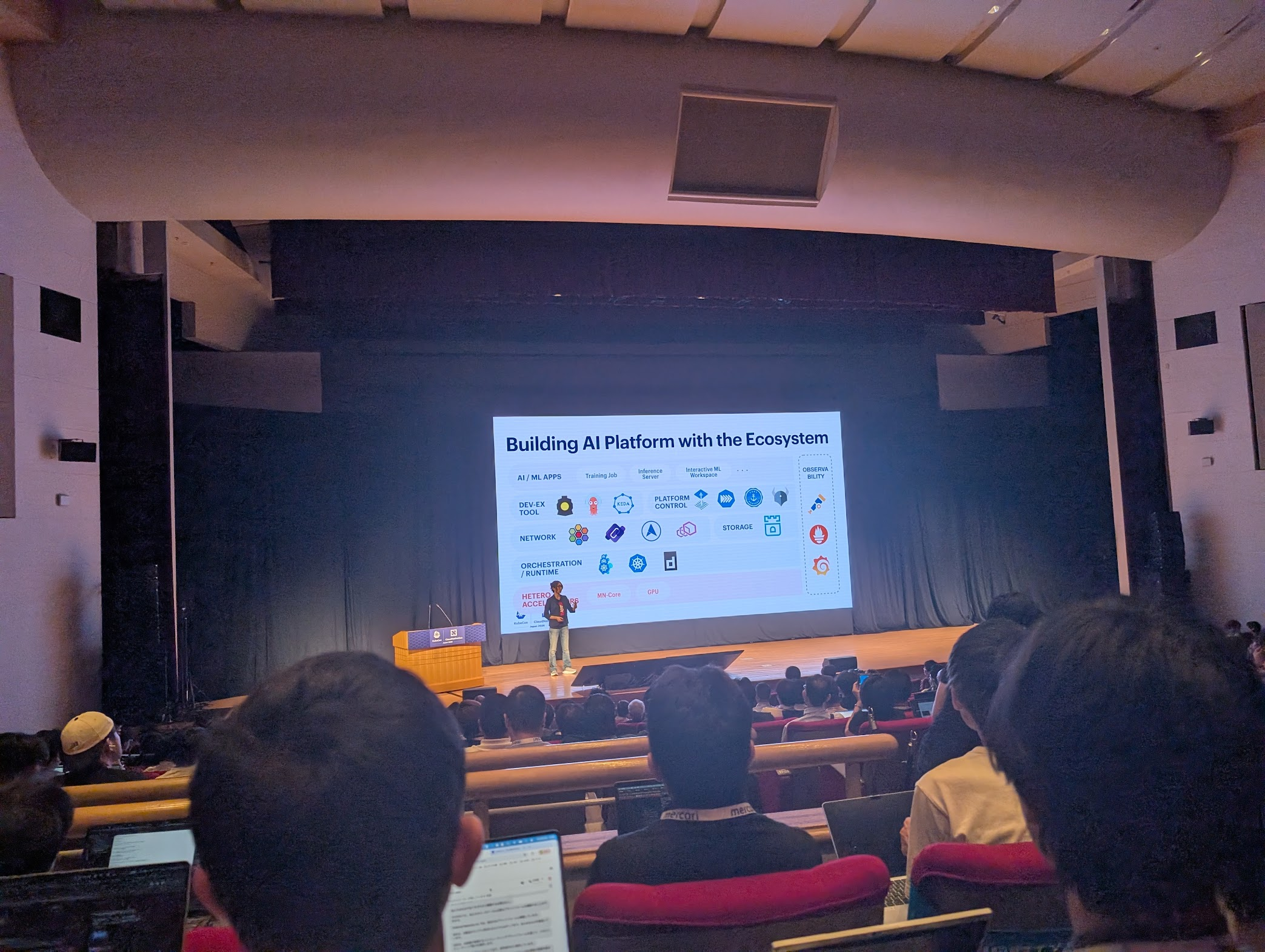
The Cloud-Native ecosystem is expanding rapidly, with major projects graduating and gaining widespread adoption across global markets, particularly within Asia (including Vietnam, South Korea, Japan, China, and more). Below is a curated list of notable platforms, frameworks, and tools across modern Cloud Native ecosystem
- Karmada: A multi-cluster control plane enabling cloud-native application management across hybrid and multi-cloud Kubernetes clusters via native API federation.
- kro: A Kubernetes SIGs solution designed for building custom control plane abstractions using a lightweight approach alternative to Crossplane or Terraform.
- COHDI: Composable Hardware in Disaggregated Infrastructure—a CNCF initiative enabling dynamic physical and virtual device scaling across next-generation hardware architectures.
- MetalLB: A bare-metal load-balancer implementation for Kubernetes clusters utilizing standard routing protocols (BGP and ARP/NDP).
- Cilium: An eBPF-powered cloud-native solution providing, securing, and observing network connectivity and security between workloads.
- Tetragon: An eBPF-based security observability and runtime enforcement tool that tracks processes and executes real-time security policies at the kernel level.
- OpenTelemetry: An open-source, vendor-neutral observability framework providing standardized APIs, SDKs, and collector pipelines for metrics, logs, and distributed traces.
- vCluster: A virtual cluster manager that provisions fully isolated tenant Kubernetes environments—featuring dedicated API servers and CRDs—on top of shared host infrastructure.
- KubeVirt: A virtual machine management add-on that brings traditional VM workloads into native Kubernetes API declarative pipelines.
- Keycloak: An open-source identity and access management (IAM) solution providing Single Sign-On (SSO), user federation, and identity brokering.
- HAMi: A cloud-native GPU virtualization middleware offering heterogeneous accelerator sharing, isolation, and scheduling for AI/ML workloads on Kubernetes.
- llm-d: A Kubernetes-native distributed inference framework that scales engines like vLLM and SGLang into multi-node, production-grade serving infrastructure.
- Agones: An open-source, Kubernetes-native platform for hosting, scaling, and operating dedicated multiplayer game servers.
- Falco: A cloud-native runtime security tool that parses system calls to detect abnormal behavior and security threats in real time.
- StratoShark: A system-call inspection tool created by Sysdig that brings Wireshark’s deep-packet analysis interface to kernel event analysis.
- falco-talon: An automated response engine that consumes Falco security events to execute real-time mitigation actions in Kubernetes clusters.
- mirrord: A development tool by MetalBear that mirrors traffic, databases, and APIs from remote Kubernetes environments directly to local development machines.
- Longhorn: A lightweight, highly available, cloud-native distributed block storage system built specifically for Kubernetes.
- And moreover of them, sorry for can’t list whole, but it looks cool to see them there. Explore more at CNCF Landscape
As platform engineering and DevOps practices mature globally and within local markets like Vietnam, the emergence of modern Internal Developer Platforms (IDPs) is redefining how engineering teams interface with Kubernetes infrastructure
- OpenChoreo: A complete, open-source Internal Developer Platform (IDP) designed to simplify Kubernetes abstractions. Developed out of WSO2’s experience with Choreo, it serves as a major reference architecture for modern IDP design.
Quote
A special thanks to Tishan Dahanayakage (Director / Head of Engineering, Choreo BU @ WSO2 & Core Maintainer @ OpenChoreo) for driving open-source IDP standards and sharing insights that continue to inspire next-generation Platform Engineering architectures globally.
The AI Era has matured and evolved significantly over recent years, yet it remains deeply dependent on and intertwined with Cloud-Native solutions. In particular, managing and optimizing GPU reservation stands out as one of the most critical challenges facing companies and nations tackling AI inference and training workloads.
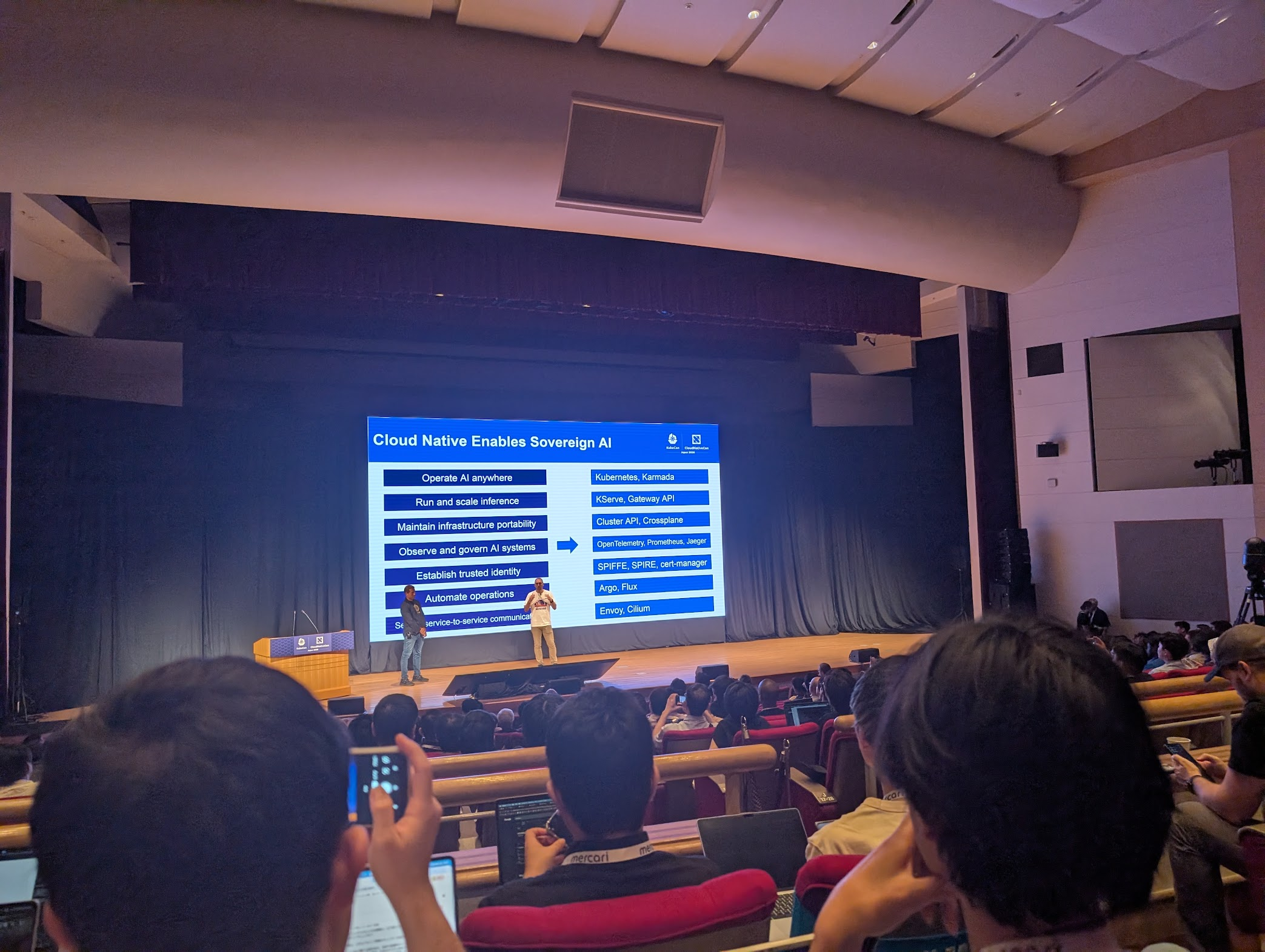
Projects like HAMi, CoHDI, KubeVirt, and vCluster demonstrate immense power in addressing these virtualization challenges. They enable efficient GPU virtualization, precise workload placement (targeting the right node or datacenter based on requested resources), and maximum resource utilization for training and inference—all while optimizing cost efficiency. These solutions showcase why Cloud-Native capabilities continue to expand, establishing themselves as the indispensable backbone of infrastructure in the AI Era.
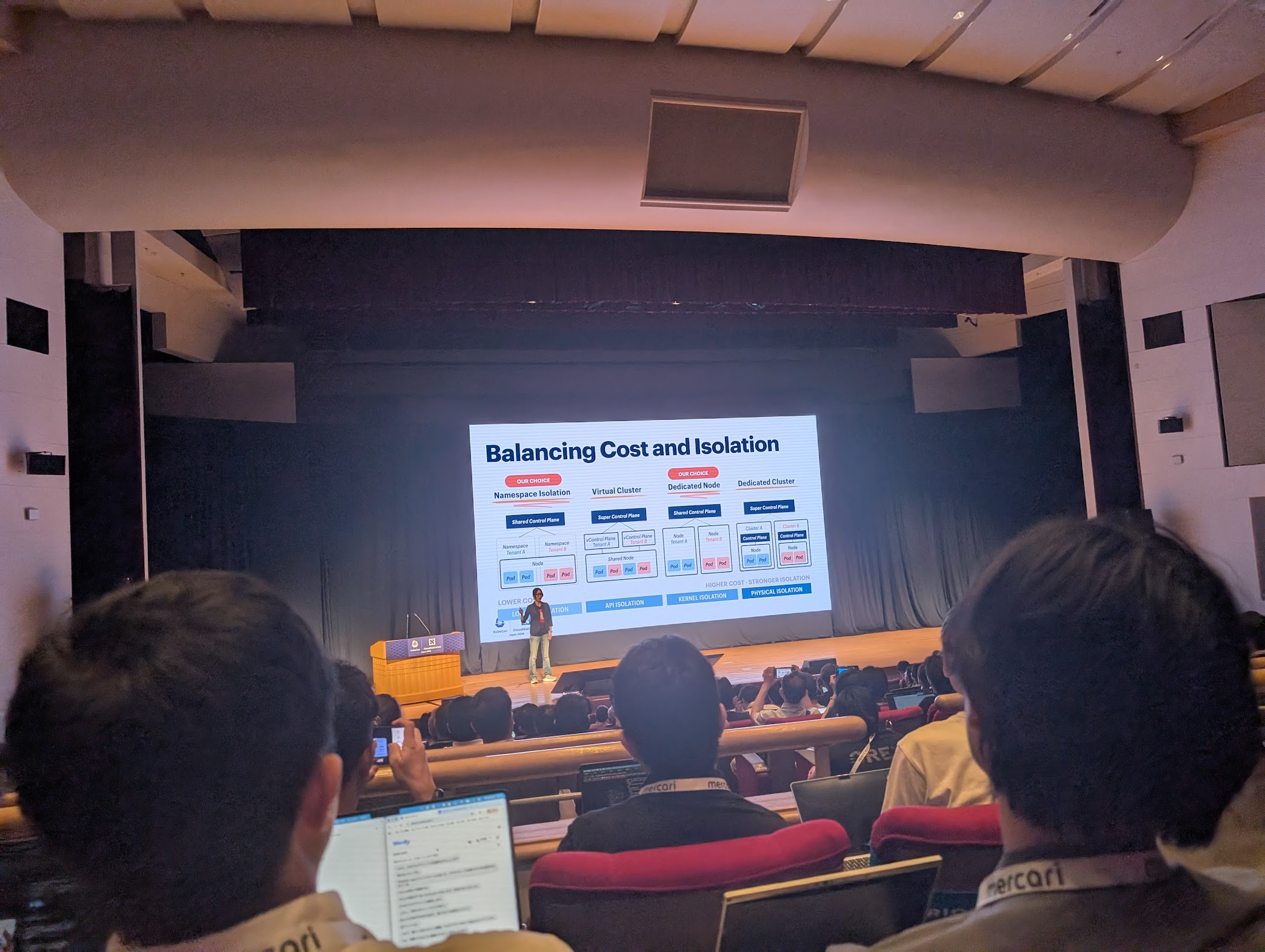
So, what lies ahead? While new challenges will inevitably emerge, they present exciting opportunities for those willing to experiment, learn, and iterate through trial and error. As we explore complex topics like distributed multi-cloud and multi-cluster architectures, the most direct path to finding optimal solutions is through hands-on testing and learning from operational edge cases. Ultimately, Kubernetes is cementing its position as the global standard for orchestrating AI systems, driving real-world impact across datacenter power management, environmental efficiency, cost optimization, and telecommunications.
Question
How can you adapt and thrive in the AI Era? Can Cloud-Native solutions serve as the primary driver to help you achieve your goals and optimize infrastructure?
Explore more about the question via several posts
- Databricks - MLOps Frameworks: A Complete Guide to Tools and Platforms for Production ML
- CloudNativeNow - MLOps in the Cloud-Native Era — Scaling AI/ML Workloads with Kubernetes and Serverless Architectures
I just borrow some others resources and their show many evidence to say CloudNative is mature for doing several stuff, so be ready for thriving in the AI Era by
- Master MLOps & AI Platform Engineering: Bridge the gap between data science and production systems by standardizing model pipelines, continuous training, experiment tracking, and automated model serving using platforms like Kubeflow and MLflow.
- Implement FinOps for Compute Infrastructure: AI compute is expensive. Focus on optimizing GPU/NPU utilization through dynamic resource allocation, fractional slicing, and automated node scaling to prevent budget overruns.
- Shift to eBPF-Driven Observability: Traditional monitoring overhead can slow down latency-sensitive inference services. Use eBPF-based tools (like Cilium, Tetragon, or Grafana Beyla) to capture continuous profiling and kernel-level networking traces with zero application overhead.
- Adopt Hybrid & Multi-Cluster Architectures: Spread inference and training workloads dynamically across local edge nodes, multi-cloud clusters, or regional data centers based on resource availability, power cost, and network constraints.
So Why Cloud-Native Solutions Drive Ultimate Optimization - Cloud-native patterns serve as the foundational backbone for AI because traditional VM or static server setups cannot handle the elastic, high-throughput, and non-deterministic demands of distributed training and real-time inference.
- Fractional Hardware Slicing & Scheduling: Virtualization tools like
HAMior Kubernetes Dynamic Resource Allocation (DRA) allow fine-grained GPU sharing, enabling multiple light inference workloads to run on a single physical accelerator. - Topology-Aware & Gang Scheduling: Schedulers tailored for AI (such as KAI Scheduler or Volcano) ensure that large-scale training pods are scheduled simultaneously across nodes with high-speed interconnects (NVLink/InfiniBand) to avoid network bottlenecks.
- Multi-Tenancy via Virtual Clusters: Tools like
vClusterallow teams to spin up lightweight, isolated tenant control planes on top of shared bare-metal GPU clusters without sacrificing security or RBAC policies. - Declarative Orchestration: GitOps and containerization ensure that model artifacts, training code, and execution environments are completely reproducible, eliminating dependency drift between local development and production clusters.
Via KubeCon recording, you can double-check there videos for following the topic
- Topology-Aware Scheduling for AI Training & Inference With Kueue - Michał Woźniak & Wei Huang
- Shared GPU Scheduling & Proactive Autoscaling: A Production Blueprint for 1000+ GPUs
- Designing a Hybrid AI Platform on Kubernetes
- CoHDI: A CNCF Sandbox Project for Dynamic Hardware Composability in Kubernetes
Multi-region and Multi-Cluster with Kubernetes on the top
Next, I truly impress how the terminology Multi-* appearance a lot in KubeCon 2026 at Japan. It make me to have more question about the enormous of CloudNative in general and Kubernetes in specific to tackle the huge problems, and now they need a lot about multi-region, multi-cluster or also multi-tenancy. Because this is not like common question when you don’t have the system enough too big or you need to horizontal scale for ensure the stable traffic around the world, yeah Multi-Region and Multi-Cluster will helping you resolved that.
Honestly, I also start the same hand-on of this year, January 2026 about how can I scale our application for several cloud, and you know it emerges lots of solutions, not even specific, just like I told it depends on your requirements, experiences and something be tricky to let them to able collaboration each others. Via KubeCon, I find out some new ways with supported by
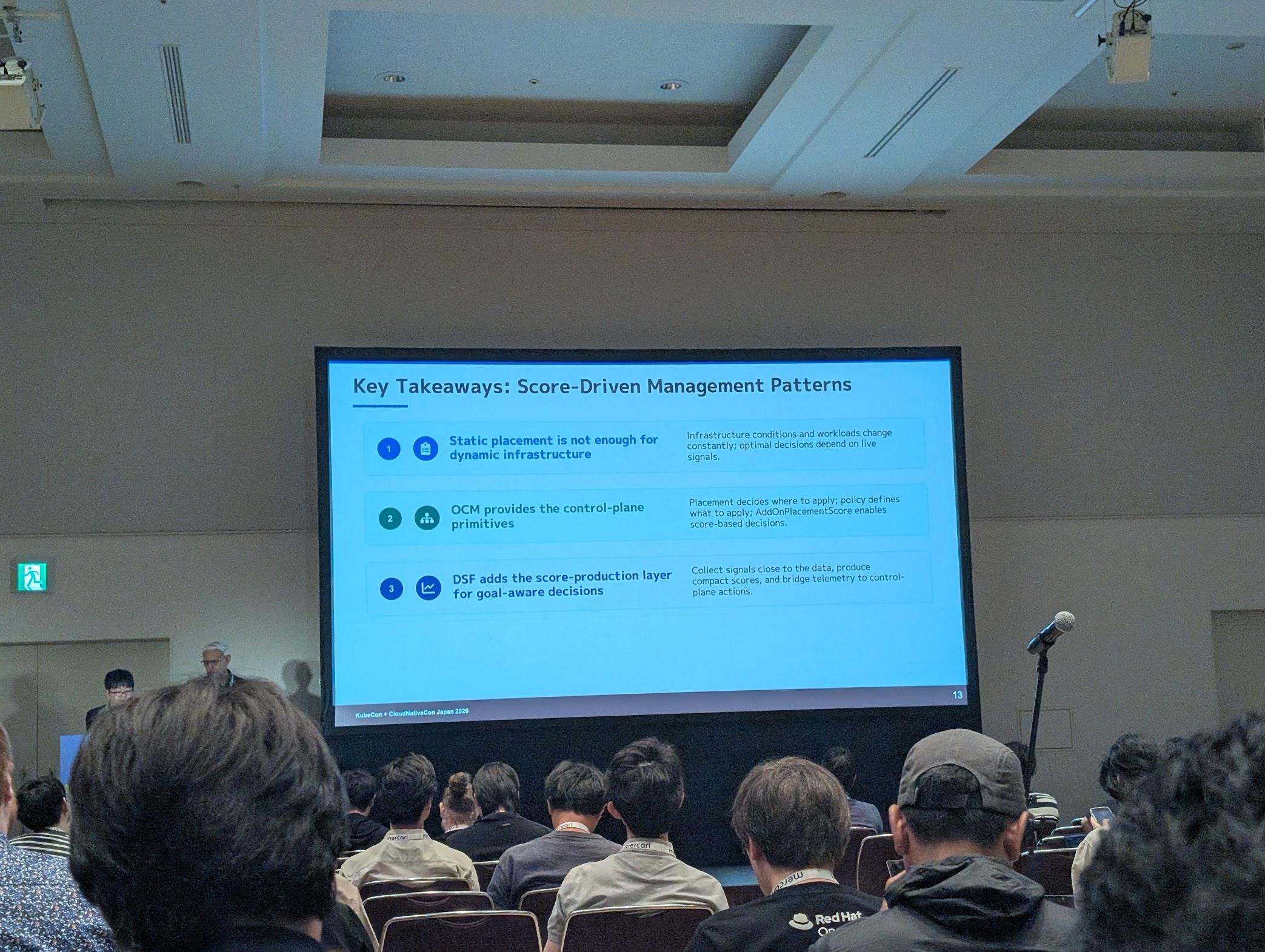
- OCM (Open Cluster Management): a Cloud Native Computing Foundation (CNCF) sandbox project focused on multicluster and multicloud scenarios for Kubernetes applications. At its core, OCM exists to make running, managing, and utilizing heterogeneous, multicluster environments simpler.
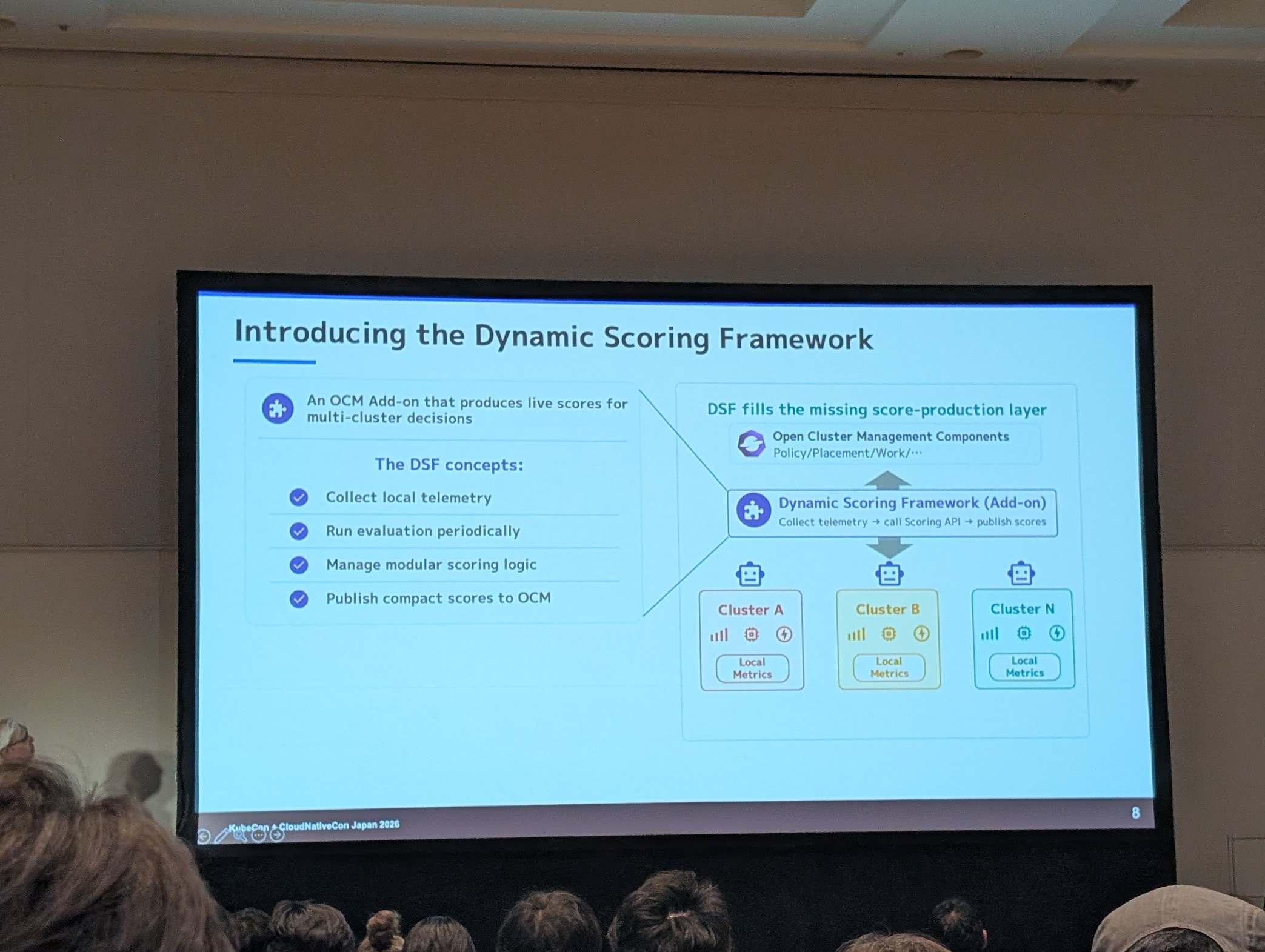
- Dynamic Scoring Framework: a framework for automating resource scoring in multi-cluster environments using Prometheus metrics. It calculates dynamic scores for each cluster and provides foundational information for resource optimization and automated control.
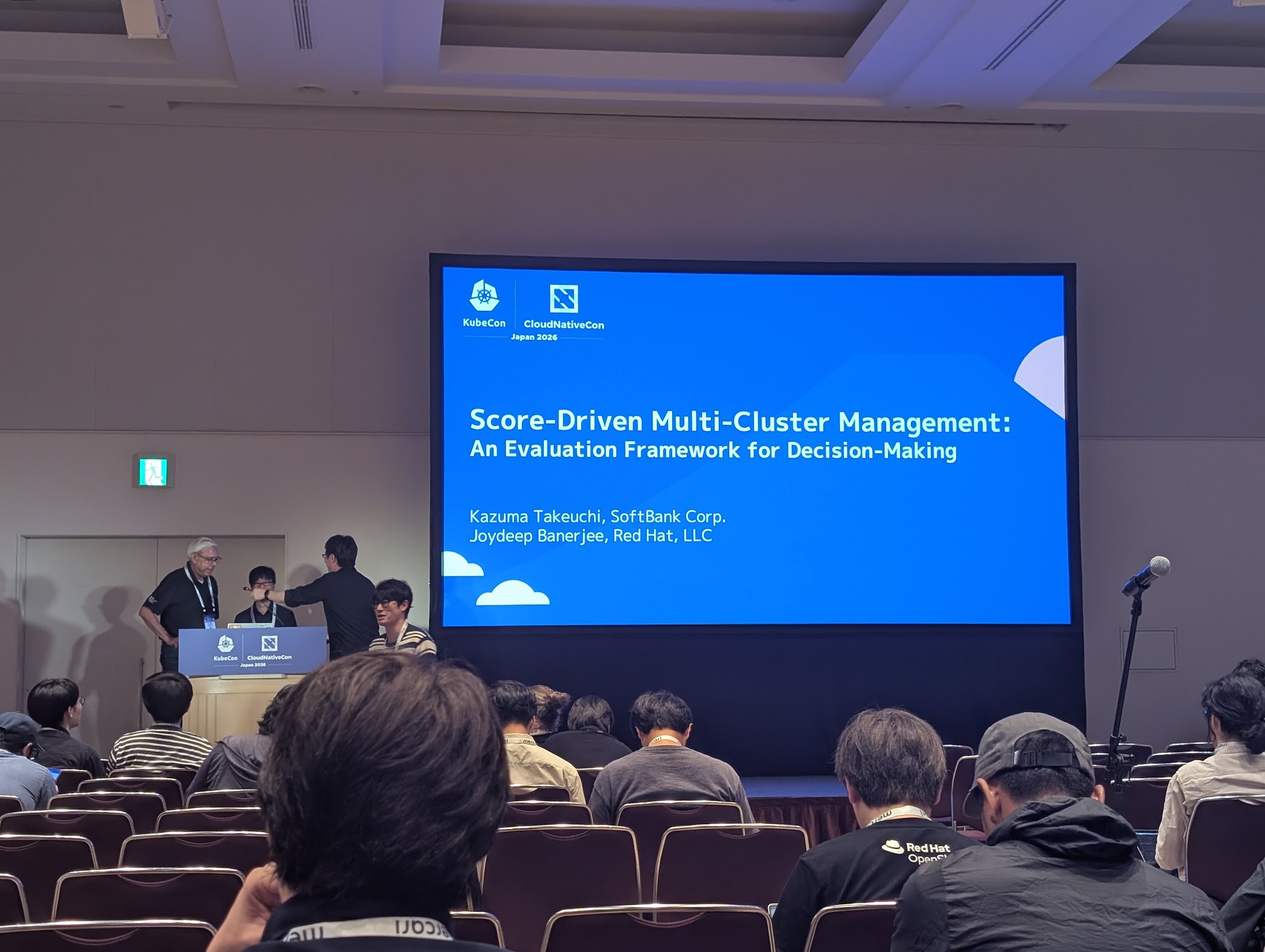
This OCM open-source and algorithm are developed and introduced by RedHat, and with their reputation, I have no doubt and curious about how can they operate and applied this as the realistic solution. The presentation sent a lot of emphasize features, concepts and how they use OCM to reproduce entire them.
Also I also participate in sharing about setup GPU Lab and multi-cluster using karmada, it’s truly interesting even though it’s quite massive when you listen here but following my thought, they doing great and show what they want to do when combine and build the multi-cluster with karmada and GitOps Strategy.
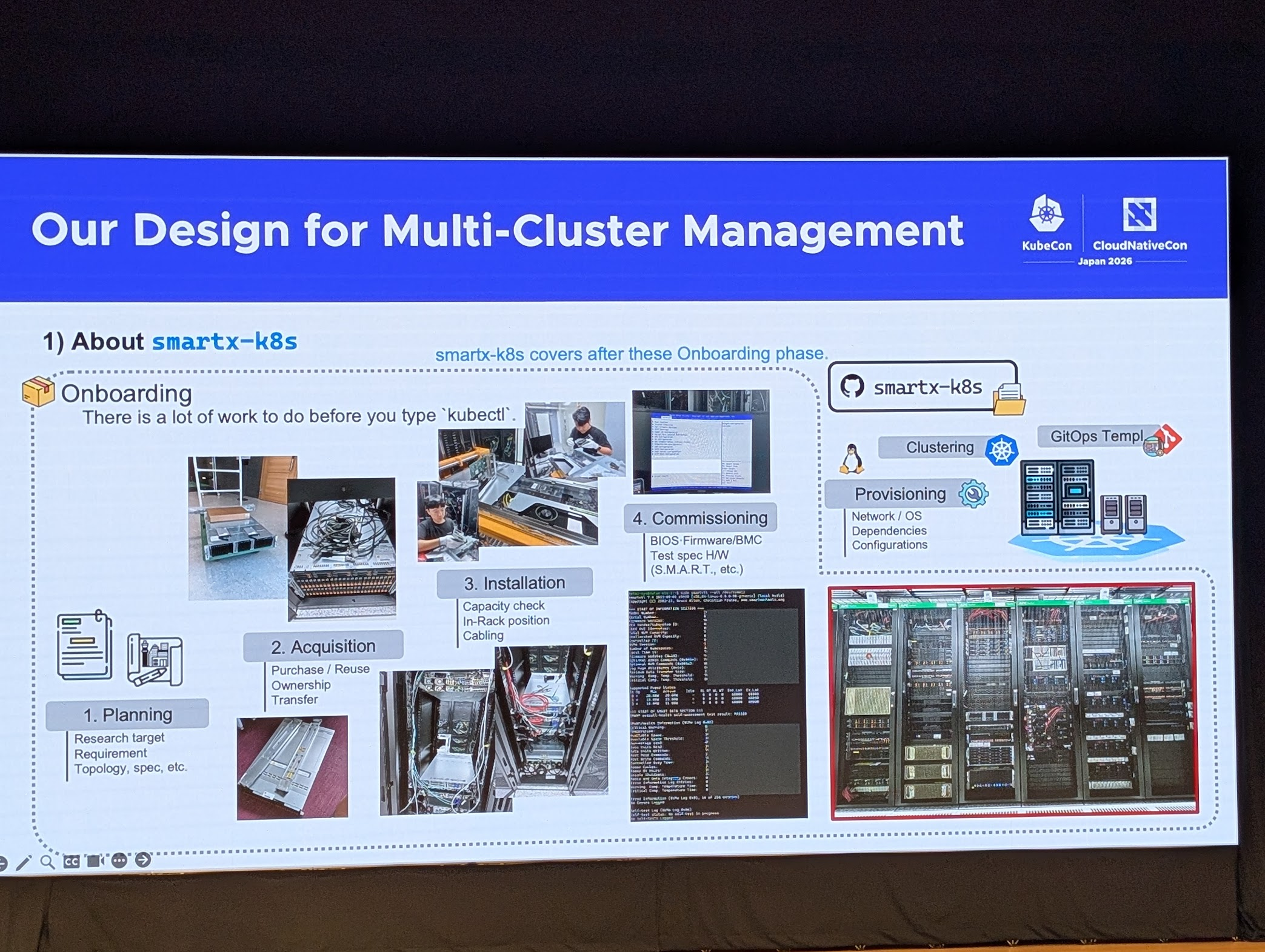
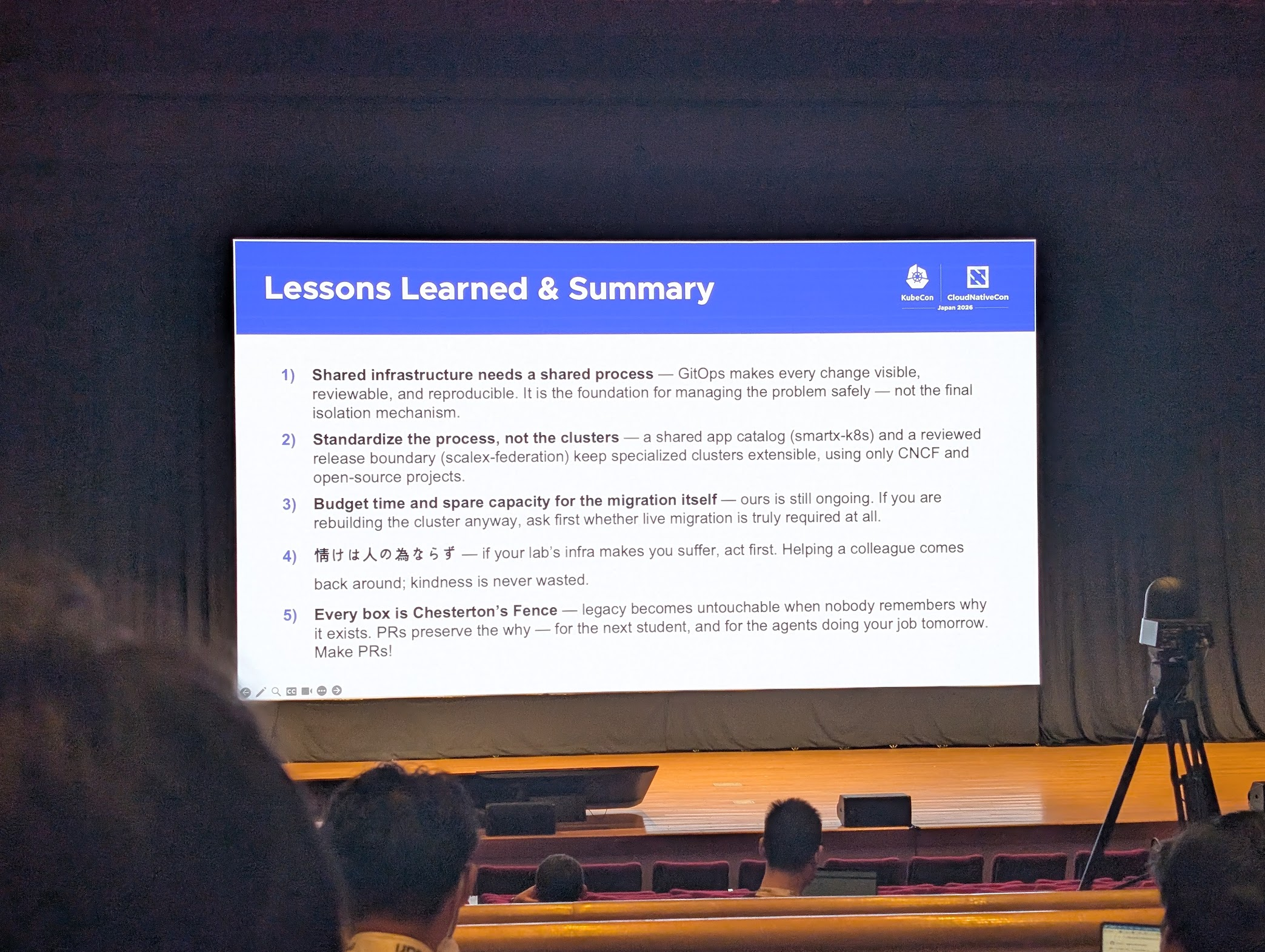
If you want to explore more or listen again their presentation, double-check these links below
- Towards Sustainable Multi-Cluster Management in Real-World Academic Infrastructure
- Score-Driven Multi-Cluster Management: An Evaluation Framework for Decision-Making
CloudNative will change the game ! Real tough
Why I said about CloudNative is a game changer, it’s totally have reason for answering these questions. At KubeCon, I see several solutions solved many real-life problems about energy, power and telecom. These CloudNative solution don’t only submit the important role for these companies, but also it help them handle for really tough field affected directly for daily life. Honestly, I appreciate how the solution are being introduced and come naturally delivery the message for the meaning of Cloud Native Solutions for general and Kubernetes for specific bring back for who get approach its.
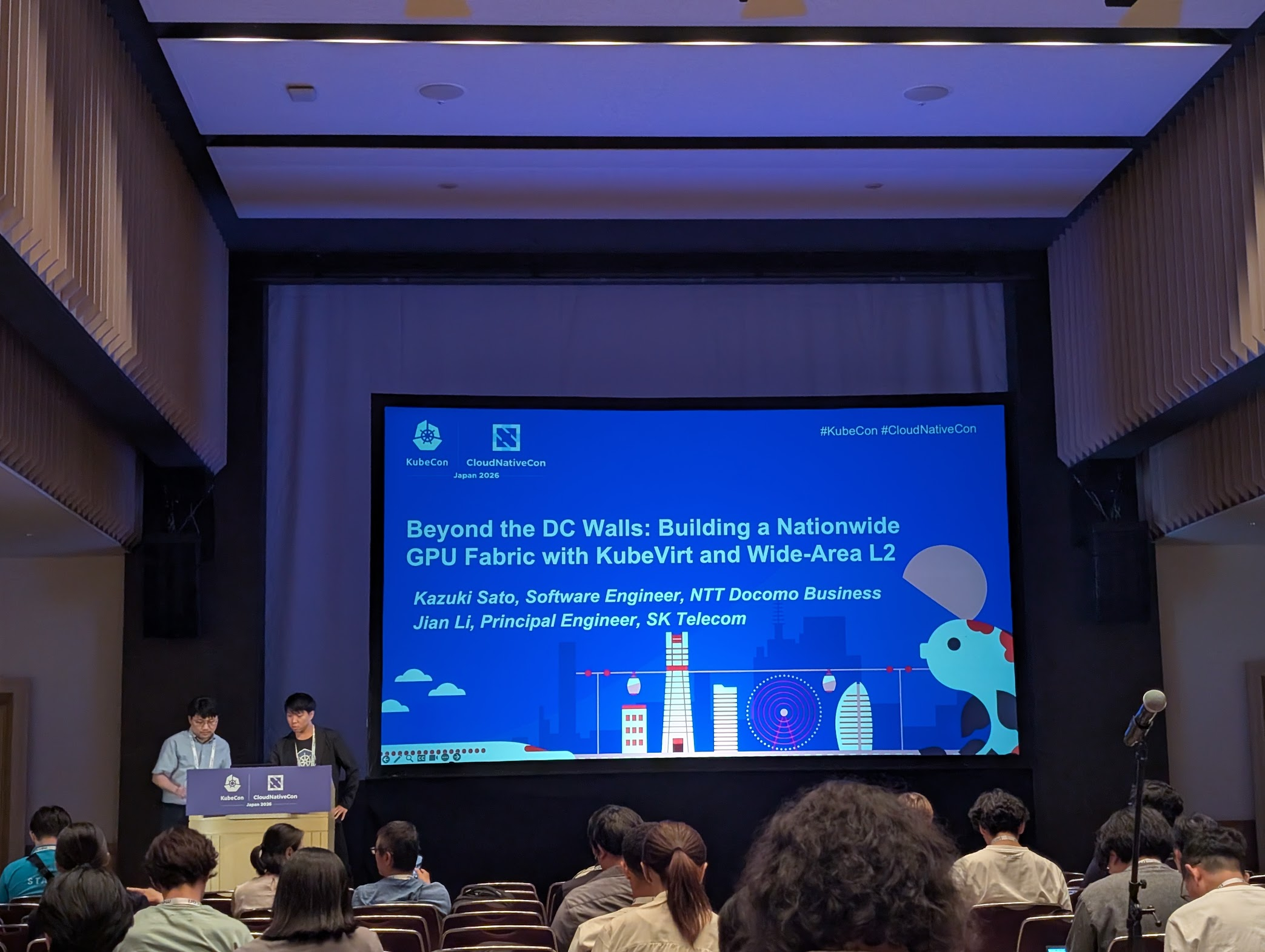
There are several candidate tell here and awesome to get the chance for knowing expandable. For you want explore with these technologies
- kubevirt: Kubernetes Virtualization API and runtime in order to define and manage virtual machines. This one is relating in telecommunication topics to distribute GPU for Wide-Area L2 between two country Japan (NTT Docomo) and Korean (SK Telecom)
- K0s: an open source, all-inclusive Kubernetes distribution, which is configured with all of the features needed to build a Kubernetes cluster and packaged as a single binary for ease of use. Due to its simple design, flexible deployment options and modest system requirements, k0s is well suited for Edge and IoT. This one is relating in Energy charging in edge daemon EV Charger around Japan with able to run K8s in ARMv7 system
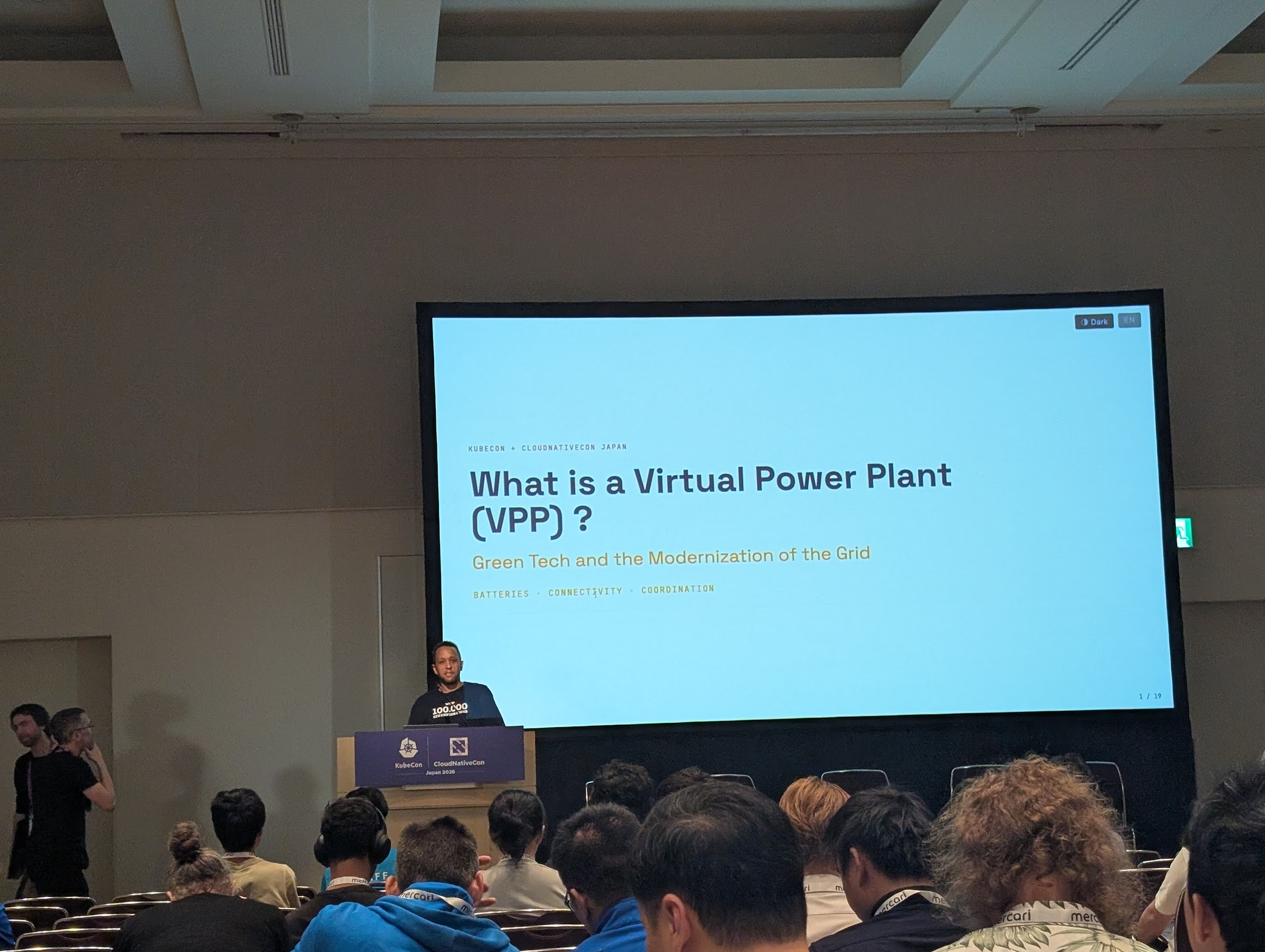
About the topic VPP, it’s truly interesting when we setup fleet to help you orchestration distributed energy from solar panel, batteries or EV Chargers into the coordinated with CloudNative assets. With me, it’s totally new experience but if you want to explore more about how Kubernetes, KubeEdge, Dapr and more stuff to solve problems for VPP, come and check out at KubeCon Europe 2026 - Virtual Power Plants (VPP): How They Work and What They Are - LeRenzo Malcom & Mario Flores, Enpal. Or Explore at the speaker website What is a VPP?
Once again if you want to explore more and double-check again the video of KubeCon2026 about these topics with the link below
- What Is a Virtual Power Plant (VPP) ? : Green Tech and the Modernization of the Grid
- Beyond the DC Walls: Building a Nationwide GPU Fabric with KubeVirt and Wide-Area L2
- Large-Scale Edge Management with Kubernetes: The Tech Behind Stable Operation of 200 EV Chargers
Platform Engineer and What next for my career and W’xOps
Attending KubeCon & CloudNativeCon marks a pivotal milestone in my four-year career. I am deeply grateful for the incredible dedication of the open-source maintainers, contributors, and community members who make this ecosystem thrive. Reconnecting with old friends and building connections with new ones made this an unforgettable experience.
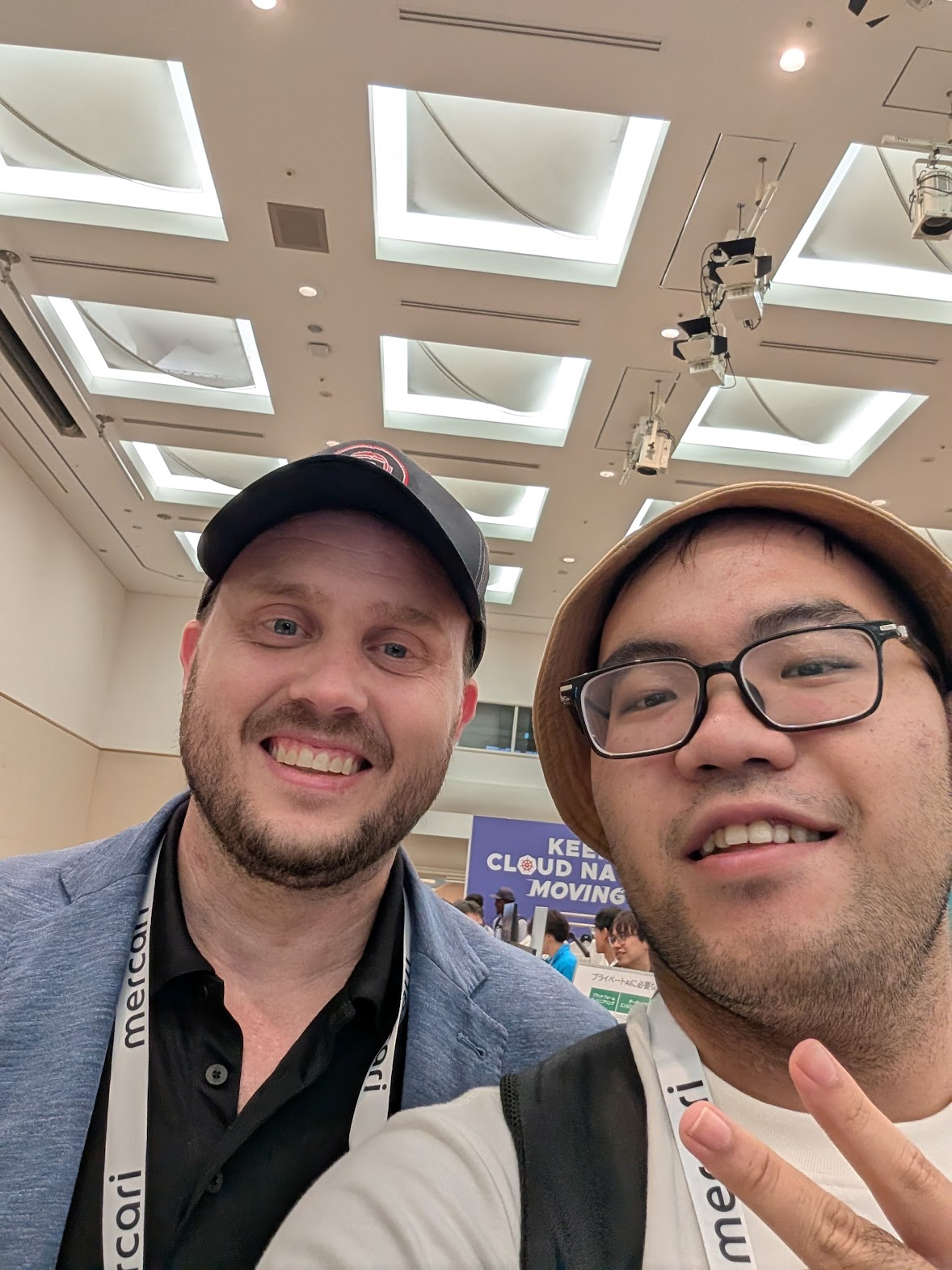
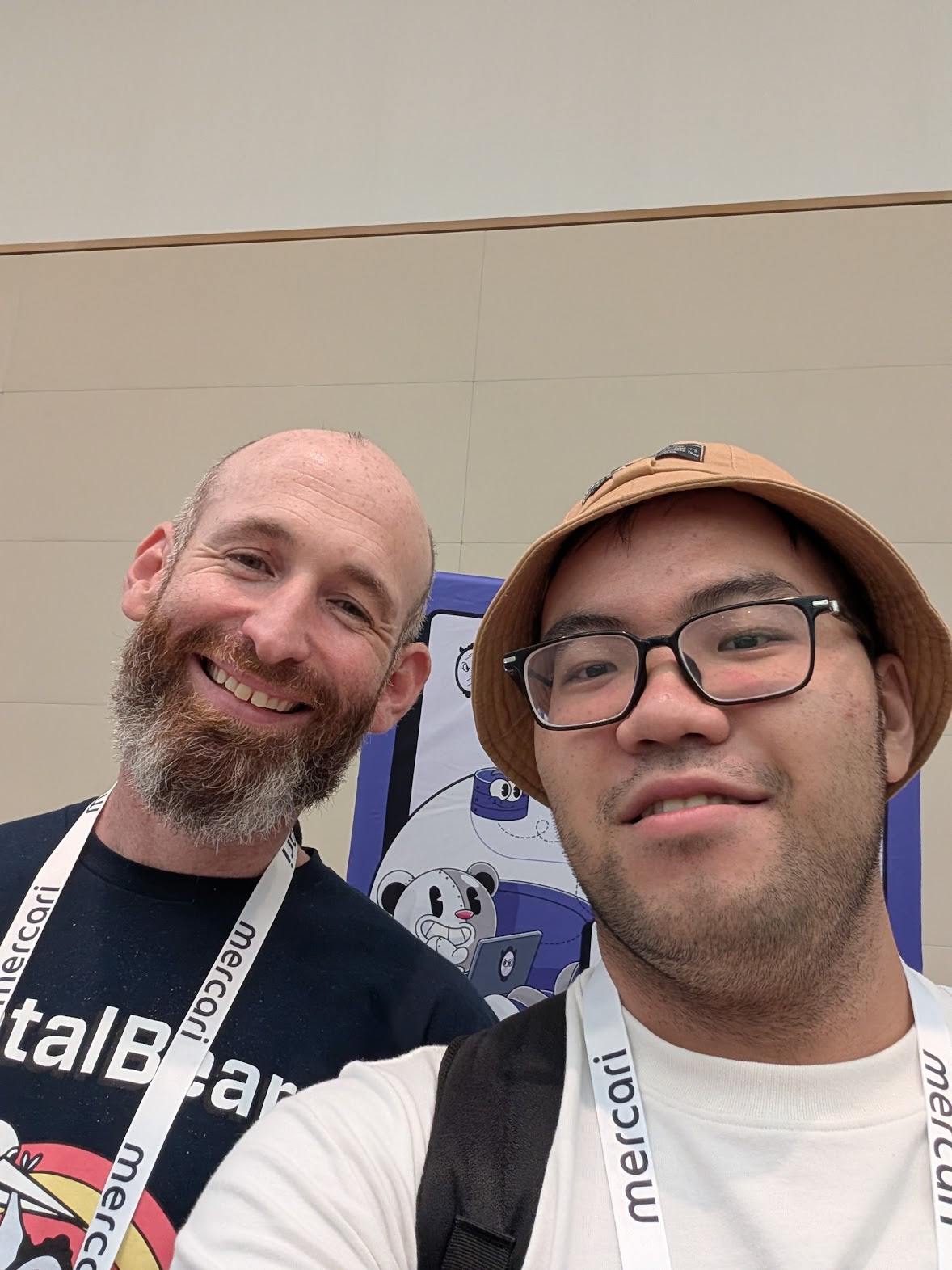
Special thanks to the following individuals for their inspiration, insights, and support:
- Colin Griffin (CEO at Krumware & CNCF Platforms Working Group Co-Chair): Thank you for the insightful conversation on Platform Engineering and developer enablement. Our discussion on the importance of community inspired me to take active steps toward fostering the cloud-native ecosystem in Vietnam.
- Eyal Bukchin (Co-founder & CTO at MetalBear): It was a pleasure discussing the journey behind mirrord. Exchanging ideas on how we leverage
mirrordwithin the W’xOps architecture was incredible, and I look forward to seeing where the project heads next. - Jing-Wei Su (Staff Software Engineer at SUSE): Thank you for sharing the latest updates on Longhorn. Exchanging real-world stories about operating Longhorn in production—including some memorable debugging sessions around Out-Of-Memory (OOM) edge cases on newer releases—was both insightful and entertaining!
- Tishan Dahanayakage (Director / Head of Engineering, Choreo BU @ WSO2): Thank you for your continued support, guidance, and collaboration around Platform Engineering and the release of OpenChoreo. Your architectural leadership continues to serve as a major inspiration.
Platform Engineering remains an evolving discipline, generating significant interest among engineers worldwide. The Cloud-Native Computing Foundation (CNCF) community plays a pivotal role in bridging knowledge gaps by defining architectural frameworks and best practices. The prominent presence of Platform Engineering tracks across recent KubeCon schedules highlights this industry shift. This momentum reinforces my commitment to developing W’xOps as an open-source initiative—fostering community collaboration, sharing technical insights, and solving real-world operational challenges.
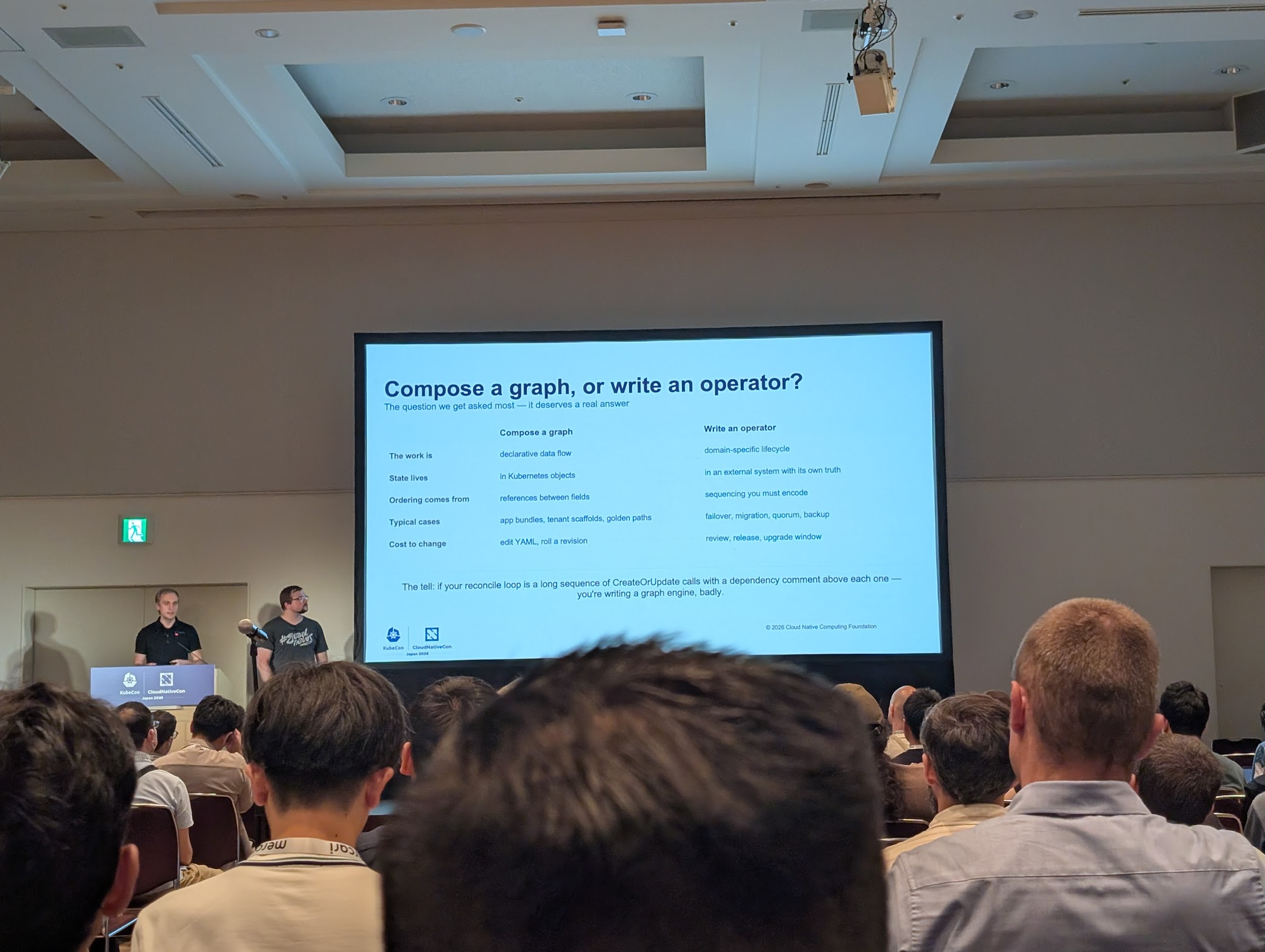
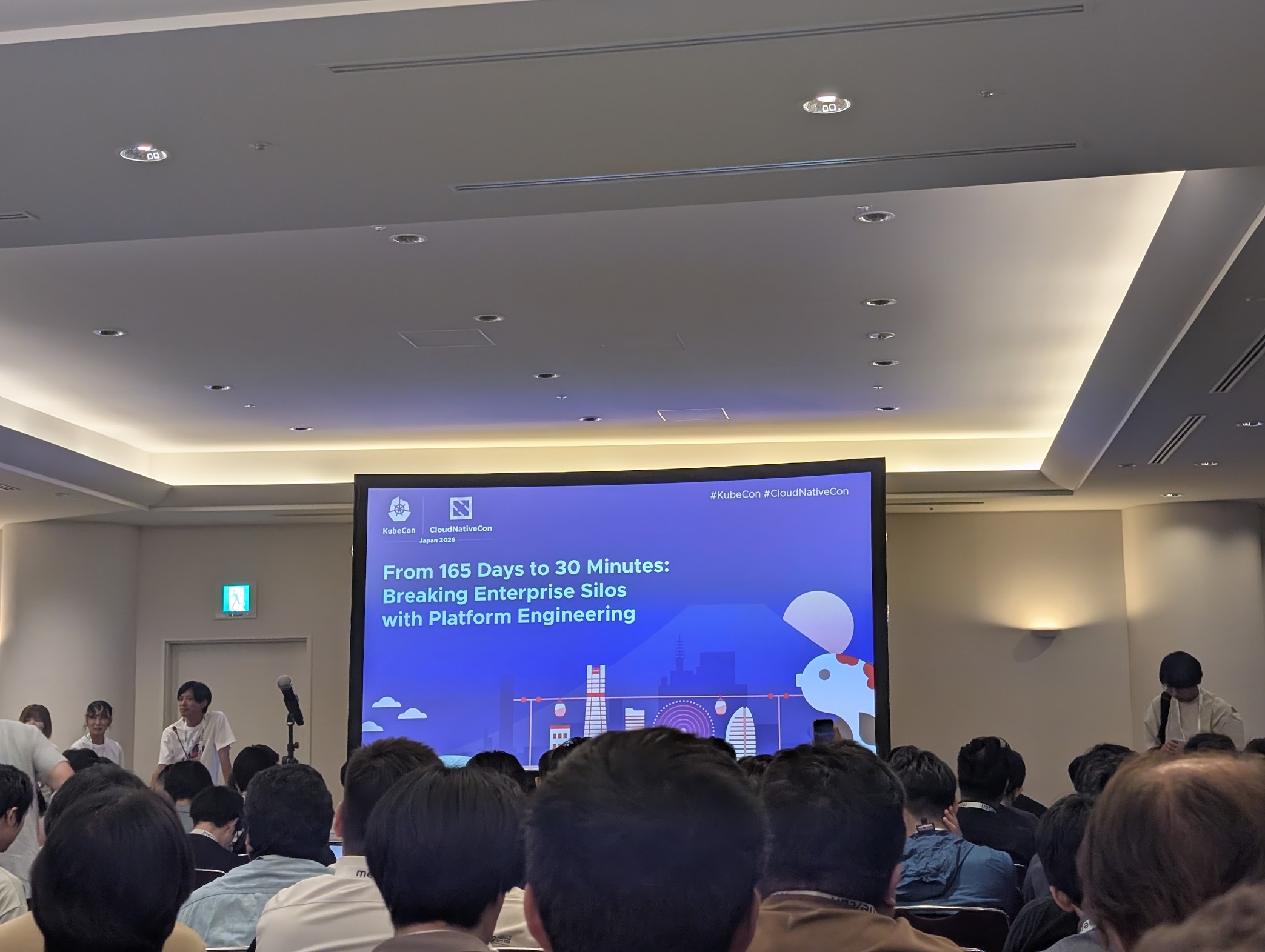
Building a modern Internal Developer Platform (IDP) requires leveraging declarative patterns, internal portals, and GitOps workflows. Key projects shaping this landscape include:
- kro (Kube Resource Orchestrator): A subproject of SIG Cloud Provider designed to simplify the creation and orchestration of multi-resource Kubernetes abstractions. Similar to Crossplane,
kroallows platform teams to define custom composite resources (CRDs) tailored to internal architectural standards. - Backstage: A CNCF-incubated open-source framework created by Spotify for building centralized Internal Developer Portals. Utilizing its core Software Catalog concept, Backstage unifies infrastructure, documentation, CI/CD status, and service management into a single interface.
- Argo CD: A declarative, GitOps-driven continuous delivery tool for Kubernetes. Argo CD remains a industry-standard choice for Platform and DevOps Engineers seeking to mature their deployment workflows using Git repositories or OCI registries as the single source of truth.
For explore more about Platform Engineer at KubeCon, you can check more with these links below
- The Evolution of GitOps in Platform Engineering - By Artem Lajko - One of my idol in Platform Engineer
- From 165 Days to 30 Minutes: Breaking Enterprise Silos with Platform Engineering
- Evolving Platform Primitives: Beautiful Platforms with kro
Vietnamese Version
Quote
Để chia sẻ góc nhìn về technical, và cũng như những cảm nhận về chuyến đi đến nhật, bài viết này sẽ có thêm phiên bản tiếng Việt để thể hiện trọn vẹn những gì mình trải nghiệm và có được trong xuyên suốt chuyến đi, cũng như là chia sẻ cho những ai muốn tham gia KubeCon một ngày nào đó. Nào hãy bắt đầu
Suy nghĩ về chuyến đi
Một trải nghiệm mới - Hành trình đến với KubeCon 2026 tại Nhật Bản ⛩️✈️
Trước hết, tôi cảm thấy thật mãn nguyện khi được trở thành một phần của KubeCon & CloudNativeCon Japan 2026 tại Yokohama, cũng như được trải nghiệm đất nước Nhật Bản lần đầu tiên trong đời. Đây chắc chắn là một trong những cột mốc đáng nhớ nhất trong năm của tôi. Chuyến đi này giữ một vị trí đặc biệt trong tim tôi, đó là lần đầu tiên tôi đi du lịch nước ngoài, và lại là một chuyến đi độc hành.
Tất cả bắt đầu từ một ý tưởng nhỏ lóe lên khi lần đầu tiên tôi thấy KubeCon 2026 được tổ chức tại Yokohama. Vào thời điểm đó, tôi không chắc chắn 100% liệu mình có thể biến nó thành hiện thực hay không. Nhưng từng bước một, giấc mơ đã trở thành thực tế: lên hành trình, đặt vé máy bay và khách sạn, cho đến việc tự mình hoàn tất thủ tục xin visa lần đầu. Việc hoàn thành một trong những mục tiêu lớn nhất trong danh sách việc cần làm của năm 2026 mang lại cảm giác thật kỳ diệu.
Sự kết nối với cộng động quốc tế, những người bạn cũ và mới
Việc tham dự KubeCon đã cho tôi cơ hội có thêm những người bạn mới và cùng chia sẽ sự ngưỡn mộ, cũng như trân trọng với các maintainers dự án mã nguồn mở (open-source maintainers)—chính là những người đã xây dựng nên các công cụ đồng hành trong xuyên suốt sự nghiệp Devops của tôi. Việc gặp trực tiếp và bày tỏ lòng biết ơn chân thành đối với công việc của họ là một cơ hội mà tôi sẽ mãi trân trọng. Dẫu cho con đường sự nghiệp của tôi có phát triển thế nào về sau, tôi biết mình sẽ không bao giờ hối hận vì đã dũng cảm bước bước đi này.
Để khép lại một trải nghiệm vốn dĩ đã tuyệt vời, tôi đã hội ngộ với một người bạn thân từ thời cấp ba. Chúng tôi đã dành hai ngày cùng nhau khám phá Tokyo, hòa mình vào văn hóa Nhật Bản—từ những đám đông đầy năng lượng tại ngã tư Shibuya, Akihabara và Shinjuku, cho đến khi đứng bên dưới ngọn tháp mang tính biểu tượng Tokyo Tower.
Quote
Nó là một chuyến đi được lấp đầy bởi trải nghiệm về công nghệ, những mối quan hệ bạn bè mới và sự phát triển bản thân mà chính tôi sẽ khó thể nào quên được
Lời khuyên cho những ai muốn tham dự KubeCon trong tương lai 💡
Tham dự KubeCon là một trong những lý do lớn nhất khiến tôi đến Nhật Bản, và khi nhìn lại, chuyến đi hoàn toàn đáng giá tới từng đồng.
Khâu tổ chức sự kiện phải nói là thuộc hàng đẳng cấp - mọi thứ từ đồ ăn, thức uống cho đến quà tặng (swag) đều được chuẩn bị vô cùng chu đáo. Tùy cách mà ai trong chúng ta tận hưởng KubeCon như nào, với tôi, trong khi nhiều người tập trung vào việc săn quà từ các gian hàng nhà tài trợ, tôi nhận ra giá trị thực sự nằm ở việc dùng thời gian đó để chuyện trò, chia sẻ kinh nghiệm và xây dựng những kết nối chân thành với các đồng nghiệp yêu công nghệ cũng như cộng đồng mã nguồn mở.
Nếu bạn đang lên kế hoạch cho chuyến tham dự KubeCon đầu tiên của mình, dưới đây là một vài thực tế chân thật bạn nên lưu ý:
Trải nghiệm dành cho người đi một mình
Đi một mình ban đầu có thể mang lại cảm giác hơi e ngại hoặc cô đơn, đó chắc chắn là những gì tôi đã trải qua khi vừa mới đến. Tuy nhiên, cộng đồng Cloud Native cực kỳ thân thiện và rộng mở. Cuối cùng, tôi đã có những cuộc trò chuyện tuyệt vời với các nhà duy trì (maintainer) của những dự án khổng lồ và ra về với các bước đi tiếp theo rõ ràng cho lộ trình kỹ thuật của riêng mình. Cho dù không phải cuộc trò chuyện nào cũng dẫn đến sự kết nối ngay sau đó, việc chỉ đơn giản là chia sẻ công việc của bạn và dũng cảm bước ra khỏi vùng an toàn đã là một thành công lớn.
Rào cản ngôn ngữ và văn hóa là yếu tố quan trọng
Việc một quốc gia bạn yêu thích được chọn làm nơi tổ chức hội nghị không đồng nghĩa với việc bạn sẽ tự động có một trải nghiệm hoàn toàn suôn sẻ. Sự khác biệt về ngôn ngữ, văn hóa địa phương và phong cách giao tiếp có thể mang lại những trở ngại ngoài dự tính. Sự chuẩn bị kỹ lưỡng chính là chìa khóa. Nếu bạn dành thời gian tìm hiểu trước về văn hóa địa phương cũng như rào cản ngôn ngữ, bạn sẽ tạo tiền đề cho một hành trình vô cùng tuyệt vời và mượt mà.
Nhìn lại lần cuối: Con dao hai lưỡi ⚖️
Mọi chuyến đi đều là một con dao hai lưỡi, nó mang lại những khoảnh khắc không thể nào quên, nhưng cũng để lại những bài học đắt giá giúp bạn chuẩn bị tốt hơn cho hành trình tiếp theo.
Nhìn lại, tôi không có một chút hối tiếc nào. Nếu có một điều khiến tôi thấy hơi tiếc nuối một chút, thì đó là khó khăn trong việc kết nối sâu sắc và chia sẻ ý tưởng với các kỹ sư Nhật Bản so với các kĩ sư quốc tế sử dụng tiếng Anh làm ngôn ngữ chính. Việc vượt qua rào cản ngôn ngữ đó là một thử thách, nhưng nó đã dạy tôi rất nhiều về cách giao tiếp tốt hơn trong một hội thảo mang tính toàn cầu, đôi khi chúng ta phải học cách thể hiện sao cho phù hợp.
Sau cùng, hành trình này đã đẩy tôi ra khỏi vùng an toàn, mở rộng tầm mắt và trao cho tôi những kỷ niệm mà tôi sẽ mang theo suốt phần đời còn lại. Tôi mừng vì chuyến đi đã cho tôi những bài học mới, sự trưởng thành và cùng sự sẵn sàng cho những chuyến phiêu lưu tiếp theo! 🥂
Tôi đã dựng xong video cho những ngày ở Nhật Bản, nếu bạn có thời gian có thể check qua để biết nước Nhật đẹp như nào và nếu có cơ hội hãy ghé thăm vì đây sẽ là một trải nghiệm đáng giá cho bạn.
Nào giờ hãy phân tích xem các session cũng như mục tiêu của KubeCon + CloudNativeCon 2026 tại Nhật bản ở bên dưới
KubeCon and CloudNativeCon 2026
Keynote Highlights: Cloud Native là một văn hóa 🎙️
Trước khi đi sâu vào phần chia sẻ cá nhân của tôi, tôi muốn bạn có thể xem qua các link được đính kèm bên dưới để hiểu rõ hơn về KubeCon, hơn hết là về
- 📺 YouTube Keynote Playlist – Tập trung vào những KeyNote sẽ xuất hiện trong KubeCon 2026 tại Nhật Bản
- 📅 Presentation Schedule & Deck – Các bài chia sẻ chi tiết về session và slide để bạn có thể tải xuống.
- 🚀 KubeCon + CloudNativeCon Japan Presentation - Tất cả các bài chia sẻ theo từng session.
Với tất cả các bài chia sẻ, với tôi đây là 2 keynotes quan trọng và giá trị nhất
- ”Keep Cloud Native Moving” by Jonathan Bryce & Chris Aniszczyk (Watch on YouTube)
- “Where Will Cloud Native Take You?” by Jeffrey Sica (Watch on YouTube)
Thông qua đó ta có thể thấy được rằng
Những bài diễn thuyết này là một lời nhắc nhở mạnh mẽ rằng Cloud Native rốt cuộc là một nét văn hóa. Ngay cả giữa sự bùng nổ mạnh mẽ của AI, mã nguồn mở vẫn luôn tràn đầy sức sống và đóng vai trò vô cùng thiết yếu.
Cho dù các mô hình AI có phát triển nhanh đến đâu, hạ tầng cốt lõi bên dưới vẫn phụ thuộc rất nhiều vào các giải pháp Cloud Native. Chừng nào chúng ta còn tiếp tục đóng góp, xây dựng và hỗ trợ lẫn nhau, nền móng này sẽ không bao giờ biến mất. Đừng e sợ trước những thay đổi nhanh chóng, chúng ta đã có một hệ sinh thái trưởng thành và một cộng đồng rộng mở luôn làm chỗ dựa vững chắc. Đừng ngần ngại; hãy tiếp tục tiến về phía trước. Cloud Native sẽ luôn ở đây, cho hiện tại và cả tương lai!
CloudNative và sự bền vững trong thiết kế hệ thống của các hệ thống AI
Hệ sinh thái Cloud Native với sự phát triển nhanh chóng với các giải pháp hàng đầu hoàn thiện và được sử dụng rộng rãi trên thị trường quốc tế, đặc biệt với châu Á bao gồm Việt Nam, Hàn Quốc, Nhật Bản, Trung Quốc và nhiều quốc giá khác trong khu vực. Bên dưới là các sản phẩm, framework, công cụ được sử dụng rộng rãi và đáng chú ý với hệ sinh thái Cloud Native hiện đại (Để giữ tinh thần kĩ thuật, các công nghệ sẽ giữ nguyên tiếng anh)
- Karmada: A multi-cluster control plane enabling cloud-native application management across hybrid and multi-cloud Kubernetes clusters via native API federation.
- kro: A Kubernetes SIGs solution designed for building custom control plane abstractions using a lightweight approach alternative to Crossplane or Terraform.
- COHDI: Composable Hardware in Disaggregated Infrastructure—a CNCF initiative enabling dynamic physical and virtual device scaling across next-generation hardware architectures.
- MetalLB: A bare-metal load-balancer implementation for Kubernetes clusters utilizing standard routing protocols (BGP and ARP/NDP).
- Cilium: An eBPF-powered cloud-native solution providing, securing, and observing network connectivity and security between workloads.
- Tetragon: An eBPF-based security observability and runtime enforcement tool that tracks processes and executes real-time security policies at the kernel level.
- OpenTelemetry: An open-source, vendor-neutral observability framework providing standardized APIs, SDKs, and collector pipelines for metrics, logs, and distributed traces.
- vCluster: A virtual cluster manager that provisions fully isolated tenant Kubernetes environments—featuring dedicated API servers and CRDs—on top of shared host infrastructure.
- KubeVirt: A virtual machine management add-on that brings traditional VM workloads into native Kubernetes API declarative pipelines.
- Keycloak: An open-source identity and access management (IAM) solution providing Single Sign-On (SSO), user federation, and identity brokering.
- HAMi: A cloud-native GPU virtualization middleware offering heterogeneous accelerator sharing, isolation, and scheduling for AI/ML workloads on Kubernetes.
- llm-d: A Kubernetes-native distributed inference framework that scales engines like vLLM and SGLang into multi-node, production-grade serving infrastructure.
- Agones: An open-source, Kubernetes-native platform for hosting, scaling, and operating dedicated multiplayer game servers.
- Falco: A cloud-native runtime security tool that parses system calls to detect abnormal behavior and security threats in real time.
- StratoShark: A system-call inspection tool created by Sysdig that brings Wireshark’s deep-packet analysis interface to kernel event analysis.
- falco-talon: An automated response engine that consumes Falco security events to execute real-time mitigation actions in Kubernetes clusters.
- mirrord: A development tool by MetalBear that mirrors traffic, databases, and APIs from remote Kubernetes environments directly to local development machines.
- Longhorn: A lightweight, highly available, cloud-native distributed block storage system built specifically for Kubernetes.
- Và nhiều hơn thế nữa mà tôi không thể liệt kê hết ở đây.
Đối với Platform Engineering và DevOps thì việc xuất hiện các công việc này càng ngày càng nhiều ở thì trường quốc tế cũng như trong nước ở Việt Nam, với sự nổi lên của IDP giúp định hình được cách thức sự dụng của các kĩ sư với hạ tầng Kubernetes, đặc biệt như
- OpenChoreo: A complete, open-source Internal Developer Platform (IDP) designed to simplify Kubernetes abstractions. Developed out of WSO2’s experience with Choreo, it serves as a major reference architecture for modern IDP design.
Quote
Trân trọng gửi lời cảm ơn đặc biệt đến Tishan Dahanayakage (Director / Head of Engineering, Choreo BU @ WSO2 & Core Maintainer @ OpenChoreo) vì đã thúc đẩy các tiêu chuẩn IDP mã nguồn mở và chia sẻ những góc nhìn sâu sắc, tiếp tục truyền cảm hứng cho các kiến trúc Platform Engineering thế hệ tiếp theo trên toàn cầu. Với tôi, đây là cơ hội để học hỏi và tiếp tục phát triển W’xOps IDP.
Kỷ nguyên AI đã dần trưởng thành và phát triển vượt bậc trong những năm gần đây, nhưng nó vẫn phụ thuộc sâu sắc và gắn kết chặt chẽ với các giải pháp Cloud-Native. Đặc biệt, việc quản lý và tối ưu hóa cấp phát tài nguyên GPU nổi lên như một trong những thách thức cốt lõi nhất đối với các doanh nghiệp và quốc gia khi giải quyết các khối lượng công việc liên quan đến huấn luyện (training) và suy luận (inference) các mô hình AI hoặc LLM.
Các dự án như HAMi, CoHDI, KubeVirt và vCluster chứng minh sức mạnh to lớn trong việc giải quyết các thách thức về ảo hóa này. Chúng cho phép ảo hóa GPU hiệu quả, định tuyến chính xác vị trí công việc (hướng tới đúng node hoặc trung tâm dữ liệu dựa trên tài nguyên yêu cầu), và tối đa hóa hiệu suất sử dụng tài nguyên cho cả huấn luyện lẫn suy luận, tất cả đồng thời nhưng vẫn tối ưu hóa chi phí. Những giải pháp này minh chứng cho lý do tại sao năng lực của Cloud-Native tiếp tục mở rộng, tự khẳng định vị thế là xương sống (backbone) hạ tầng không thể thiếu trong Kỷ nguyên AI.
Vậy, điều gì đang chờ đợi ở phía trước? Dù những thách thức mới chắc chắn sẽ xuất hiện, chúng mang đến những cơ hội đầy hứa hẹn cho những ai sẵn sàng thử nghiệm, học hỏi và liên tục cải tiến thông qua quá trình thử và sai (trial and error). Khi chúng ta khám phá các chủ đề phức tạp như kiến trúc đa cụm (multi-cluster) và đa đám mây phân tán (distributed multi-cloud), con đường ngắn nhất để tìm ra giải pháp tối ưu chính là thực hành thực tế và đúc kết kinh nghiệm từ các trường hợp vận hành thử nghiệm và đánh giá kết quả (edge cases). Sau cùng, Kubernetes đang củng cố vững chắc vị thế của mình như một tiêu chuẩn toàn cầu trong việc điều phối các hệ thống AI, tạo ra tác động thực tiễn sâu rộng trên các lĩnh vực quản lý năng lượng trung tâm dữ liệu, hiệu quả môi trường, tối ưu hóa chi phí và viễn thông.
Question
Làm thế nào để bạn có thể thích nghi và phát triển rực rỡ trong Kỷ nguyên AI? Liệu các giải pháp Cloud-Native có thể đóng vai trò là động lực cốt lõi giúp bạn đạt được các mục tiêu và tối ưu hóa hạ tầng của mình?
Tham khảo thêm thông qua các bài viết bên dưới
- Databricks - MLOps Frameworks: A Complete Guide to Tools and Platforms for Production ML
- CloudNativeNow - MLOps in the Cloud-Native Era — Scaling AI/ML Workloads with Kubernetes and Serverless Architectures
Tôi vừa tham khảo một số nguồn tài liệu khác và họ đưa ra nhiều bằng chứng cho thấy Cloud Native đã đủ trưởng thành để đảm nhận nhiều bài toán phức tạp. Hãy sẵn sàng để bứt phá trong Kỷ nguyên AI bằng cách:
- Thành thạo MLOps & AI Platform Engineering: Mở đường kết nối giữa mảng khoa học dữ liệu (data science) và các hệ thống sản xuất (production) bằng cách chuẩn hóa các pipeline mô hình, huấn luyện liên tục (continuous training), theo dõi thực nghiệm và tự động hóa việc phục vụ mô hình (model serving) thông qua các nền tảng như Kubeflow và MLflow.
- Triển khai FinOps cho Hạ tầng Máy chủ Tính toán: Chi phí tính toán AI rất đắt đỏ. Hãy tập trung vào việc tối ưu hóa mức độ sử dụng GPU/NPU thông qua cấp phát tài nguyên động, phân chia phần trăm tài nguyên (fractional slicing) và tự động mở rộng node để tránh vượt ngân sách.
- Chuyển sang Giám sát dựa trên eBPF: Chi phí vận hành (overhead) của các hệ thống giám sát truyền thống có thể làm chậm các dịch vụ suy luận (inference) nhạy cảm với độ trễ. Sử dụng các công cụ dựa trên eBPF (như Cilium, Tetragon hoặc Grafana Beyla) để liên tục phân tích hiệu năng (continuous profiling) và theo dõi lưu lượng mạng ở cấp độ nhân (kernel-level) mà không gây bất kỳ chi phí tải nào cho ứng dụng.
- Áp dụng Kiến trúc Hybrid & Đa cụm (Multi-Cluster): Phân bổ động các khối lượng công việc suy luận và huấn luyện trên khắp các node biên (edge), cụm đa đám mây (multi-cloud) hoặc các trung tâm dữ liệu khu vực dựa trên tình trạng sẵn có của tài nguyên, chi phí năng lượng và giới hạn mạng.
Vì sao các Giải pháp Cloud-Native là Động lực Thúc đẩy Tối ưu hóa Tối đa - Các mô hình Cloud-native đóng vai trò là xương sống nền tảng cho AI vì mô hình máy chủ ảo (VM) truyền thống hoặc thiết lập máy chủ tĩnh không thể đáp ứng được các yêu cầu co giãn, băng thông cao và mang tính bất định của quá trình huấn luyện phân tán cũng như suy luận theo thời gian thực.
- Fractional Hardware Slicing & Scheduling: Các công cụ ảo hóa như
HAMihoặc Kubernetes Dynamic Resource Allocation (DRA) cho phép chia sẻ GPU ở mức độ chi tiết cao, cho phép nhiều khối lượng công việc suy luận nhẹ chạy đồng thời trên một thiết bị vật lý. - Topology-Aware & Gang Scheduling: Các bộ lập lịch được thiết kế riêng cho AI (như KAI Scheduler hoặc Volcano) đảm bảo rằng các pod huấn luyện quy mô lớn được lập lịch đồng thời trên các node có kết nối tốc độ cao (NVLink/InfiniBand) nhằm tránh hiện tượng nghẽn cổ chai trên đường truyền mạng.
- Multi-Tenancy via Virtual Clusters: Các công cụ như
vClustercho phép các đội ngũ khởi tạo các control plane cô lập, mỏng nhẹ cho từng tenant ngay trên nền các cụm GPU bare-metal dùng chung mà không làm ảnh hưởng đến bảo mật hay các chính sách RBAC. - Declarative Orchestration: GitOps và công nghệ container hóa đảm bảo các sản phẩm mô hình (model artifacts), mã huấn luyện và môi trường thực thi có khả năng tái lập hoàn toàn, xóa bỏ sự sai lệch về phụ thuộc (dependency drift) giữa môi trường phát triển cục bộ và các cụm sản xuất.
Thông qua record của KubeCon, bạn có thể xem thêm và coi lại các bài viết chia sẻ về chủ đề này bên dưới
- Topology-Aware Scheduling for AI Training & Inference With Kueue - Michał Woźniak & Wei Huang
- Shared GPU Scheduling & Proactive Autoscaling: A Production Blueprint for 1000+ GPUs
- Designing a Hybrid AI Platform on Kubernetes
- CoHDI: A CNCF Sandbox Project for Dynamic Hardware Composability in Kubernetes
Multi-region and Multi-Cluster với Kubernetes vẫn luôn thú vị
Tiếp theo, tôi thực sự ấn tượng với việc thuật ngữ Multi-* xuất hiện dày đặc như thế nào tại KubeCon 2026 ở Nhật Bản. Điều đó khiến tôi đặt ra nhiều câu hỏi hơn về quy mô đồ sộ của Cloud-Native nói chung và Kubernetes nói riêng trong việc giải quyết các bài toán lớn. Hiện tại, chúng ta đòi hỏi rất nhiều về đa khu vực (multi-region), đa cụm (multi-cluster) hay cả đa người dùng (multi-tenancy). Bởi vì đây không phải là những câu hỏi thông thường khi hệ thống của bạn chưa đủ lớn—khi bạn cần mở rộng theo chiều ngang (horizontal scale) để đảm bảo lưu lượng truy cập ổn định trên toàn cầu, Multi-Region và Multi-Cluster chính là chìa khóa giúp bạn giải quyết bài toán đó.
Thành thật mà nói, bản thân tôi cũng đã bắt đầu thực hành bài toán này từ đầu năm nay, vào tháng 1 năm 2026, về cách làm sao để mở rộng ứng dụng trên nhiều hạ tầng đám mây khác nhau. Như bạn biết đấy, có vô số giải pháp xuất hiện, và không có một giải pháp duy nhất nào cho tất cả - mọi thứ phụ thuộc vào yêu cầu bài toán, kinh nghiệm thực tế cũng như một vài mẹo kỹ thuật để giúp các hệ thống có thể phối hợp nhịp nhàng với nhau. Thông qua KubeCon, tôi đã tìm ra những một vài phương án mới nhờ sự hỗ trợ của
- OCM (Open Cluster Management): a Cloud Native Computing Foundation (CNCF) sandbox project focused on multicluster and multicloud scenarios for Kubernetes applications. At its core, OCM exists to make running, managing, and utilizing heterogeneous, multicluster environments simpler.
- Dynamic Scoring Framework: a framework for automating resource scoring in multi-cluster environments using Prometheus metrics. It calculates dynamic scores for each cluster and provides foundational information for resource optimization and automated control.
Dự án mã nguồn mở OCM và thuật toán này được phát triển cũng như giới thiệu bởi Red Hat. Với uy tín của họ, tôi hoàn toàn không nghi ngờ và rất tò mò về cách họ vận hành cũng như áp dụng nó như một giải pháp thực tế. Bài thuyết trình đã nhấn mạnh rất nhiều tính năng, khái niệm quan trọng và cách họ sử dụng OCM để tái tạo lại toàn bộ các hệ thống đó.
Bên cạnh đó, tôi cũng đã tham gia chia sẻ về việc thiết lập GPU Lab và hệ thống đa cụm (multi-cluster) sử dụng Karmada. Điều này thực sự thú vị, mặc dù quy mô có vẻ khá đồ sộ khi nghe qua, nhưng theo quan điểm của tôi, họ đang làm rất tốt và thể hiện rõ những gì mình muốn đạt được khi kết hợp xây dựng mô hình multi-cluster bằng karmada cùng Chiến lược GitOps (GitOps Strategy).
Hãy tham khảo thêm các KubeCon record để có thêm nhiều thông tin và hướng tiếp cận
- Towards Sustainable Multi-Cluster Management in Real-World Academic Infrastructure
- Score-Driven Multi-Cluster Management: An Evaluation Framework for Decision-Making
CloudNative sẽ thực sự làm thay đổi cuộc chơi
Lý do tôi nói Cloud Native là một yếu tố thay đổi cuộc chơi (game changer) hoàn toàn có cơ sở để trả lời cho những câu hỏi này. Tại KubeCon, tôi đã chứng kiến nhiều giải pháp giải quyết các bài toán thực tế phức tạp về năng lượng, điện lực và viễn thông. Các giải pháp Cloud Native này không chỉ khẳng định vai trò quan trọng đối với các doanh nghiệp đó, mà còn giúp họ xử lý những lĩnh vực vô cùng khắc nghiệt tác động trực tiếp đến đời sống hàng ngày. Thành thật mà nói, tôi đánh giá rất cao cách các giải pháp được giới thiệu và truyền tải một cách rất tự nhiên thông điệp về ý nghĩa mà các giải pháp Cloud Native nói chung và Kubernetes nói riêng mang lại cho những ai tiếp cận chúng.
Có một vài ứng cử viên tiềm năng được nhắc đến ở đây và thật tuyệt vời khi có cơ hội mở rộng hiểu biết về chúng. Dưới đây là những công nghệ bạn có thể muốn khám phá:
- kubevirt: Kubernetes Virtualization API and runtime in order to define and manage virtual machines.
Note
Giải pháp này liên quan đến chủ đề viễn thông nhằm phân bổ GPU cho mạng Wide-Area L2 giữa hai quốc gia Nhật Bản (NTT Docomo) và Hàn Quốc (SK Telecom).
- K0s: an open source, all-inclusive Kubernetes distribution, which is configured with all of the features needed to build a Kubernetes cluster and packaged as a single binary for ease of use. Due to its simple design, flexible deployment options and modest system requirements, k0s is well suited for Edge and IoT.
Note
Công nghệ này liên quan đến chủ đề sạc năng lượng tại các trạm sạc EV dạng edge daemon trên khắp Nhật Bản với khả năng chạy K8s trên hệ thống ARMv7.
Về chủ đề VPP (Virtual Power Plant - Nhà máy điện ảo), thực sự rất thú vị khi chúng ta thiết lập một tập hợp thiết bị (fleet) để điều phối nguồn năng lượng phân tán từ tấm pin mặt trời, pin lưu trữ hoặc trạm sạc EV kết hợp với các tài nguyên Cloud-Native. Đối với tôi, đây là một trải nghiệm hoàn toàn mới, nhưng nếu bạn muốn khám phá thêm về cách Kubernetes, KubeEdge, Dapr và nhiều công nghệ khác giải quyết các bài toán cho VPP, hãy tham khảo bài chia sẻ tại KubeCon Europe 2026 - Virtual Power Plants (VPP): How They Work and What They Are - LeRenzo Malcom & Mario Flores, Enpal. Hoặc tìm hiểu thêm tại trang web của diễn giả What is a VPP?
Một lần nữa hãy ghé qua và xem lại các Video của KubeCon nếu mong muốn nghiên cứu
- What Is a Virtual Power Plant (VPP) ? : Green Tech and the Modernization of the Grid
- Beyond the DC Walls: Building a Nationwide GPU Fabric with KubeVirt and Wide-Area L2
- Large-Scale Edge Management with Kubernetes: The Tech Behind Stable Operation of 200 EV Chargers
Platform Engineer và những dự định tiếp theo trong sự nghiệp và W’xOps IDP
Việc tham dự KubeCon & CloudNativeCon đánh dấu một cột mốc quan trọng trong sự nghiệp bốn năm qua của tôi. Tôi xin chân thành cảm ơn sự cống hiến tuyệt vời của các nhà duy trì (maintainers), những người đóng góp (contributors) và các thành viên trong cộng đồng mã nguồn mở, những người đã giúp cho hệ sinh thái này phát triển rực rỡ. Việc hội ngộ với những người bạn cũ và xây dựng mối quan hệ với những người bạn mới đã biến đây thành một trải nghiệm không thể nào quên.
Trân trọng gửi lời cảm ơn đặc biệt đến các cá nhân sau đây vì sự truyền cảm hứng, những góc nhìn sâu sắc và sự hỗ trợ từ họ:
- Colin Griffin (CEO at Krumware & CNCF Platforms Working Group Co-Chair): Cảm ơn anh vì cuộc trò chuyện đầy góc nhìn sâu sắc về Platform Engineering và việc tối ưu hóa trải nghiệm cho nhà phát triển (developer enablement). Thảo luận của chúng ta về tầm quan trọng của cộng đồng đã truyền cảm hứng để tôi có những bước đi chủ động hướng tới việc phát triển hệ sinh thái cloud-native tại Việt Nam.
- Eyal Bukchin (Co-founder & CTO at MetalBear): Thật hân hạnh khi được thảo luận về hành trình phía sau
mirrord. Việc trao đổi ý tưởng về cách chúng tôi tận dụng mirrord trong kiến trúcW'xOpsthật tuyệt vời, và tôi rất mong đợi được thấy dự án sẽ phát triển ra sao trong thời gian tới. - Jing-Wei Su (Staff Software Engineer at SUSE): Cảm ơn anh đã chia sẻ những cập nhật mới nhất về Longhorn. Việc trao đổi những câu chuyện thực tế về vận hành Longhorn trên môi trường production, bao gồm cả một vài buổi truy vết sự cố (debugging) đáng nhớ xung quanh các trường hợp biên tràn bộ nhớ (Out-Of-Memory/OOM) trên các bản phát hành mới, vừa mang lại nhiều kiến thức vừa rất thú vị!
- Tishan Dahanayakage (Director / Head of Engineering, Choreo BU @ WSO2): Cảm ơn anh vì sự hỗ trợ, định hướng và hợp tác liên tục xung quanh mảng Platform Engineering cũng như sự ra mắt của OpenChoreo. Định hướng kiến trúc của anh tiếp tục là nguồn cảm hứng lớn đối với tôi.
Platform Engineering vẫn đang là một lĩnh vực không ngừng phát triển, thu hút sự quan tâm lớn từ các kỹ sư trên toàn thế giới. Cộng đồng Cloud-Native Computing Foundation (CNCF) đóng vai trò nòng cốt trong việc thu hẹp khoảng cách kiến thức bằng cách định nghĩa các khung kiến trúc và các thực hành tốt nhất (best practices). Sự xuất hiện dày đặc của các chủ đề Platform Engineering trong lịch trình KubeCon gần đây đã làm nổi bật sự dịch chuyển này của ngành. Động lực này càng củng cố cam kết của tôi trong việc phát triển W’xOps như một sáng kiến mã nguồn mở, nhằm thúc đẩy sự hợp tác trong cộng đồng, chia sẻ các hiểu biết kỹ thuật và giải quyết các bài toán vận hành thực tế.
Việc xây dựng một Nền tảng Nhà phát triển Nội bộ (IDP) hiện đại đòi hỏi phải tận dụng các mô hình khai báo (declarative patterns), cổng thông tin nội bộ (internal portals) và quy trình làm việc GitOps. Các dự án then chốt đang định hình bức tranh công nghệ này bao gồm:
- kro (Kube Resource Orchestrator): A subproject of SIG Cloud Provider designed to simplify the creation and orchestration of multi-resource Kubernetes abstractions. Similar to Crossplane,
kroallows platform teams to define custom composite resources (CRDs) tailored to internal architectural standards. - Backstage: A CNCF-incubated open-source framework created by Spotify for building centralized Internal Developer Portals. Utilizing its core Software Catalog concept, Backstage unifies infrastructure, documentation, CI/CD status, and service management into a single interface.
- Argo CD: A declarative, GitOps-driven continuous delivery tool for Kubernetes. Argo CD remains a industry-standard choice for Platform and DevOps Engineers seeking to mature their deployment workflows using Git repositories or OCI registries as the single source of truth.
Bạn có thể check thêm các link bên dưới về chú đề platform engineer tại KubeCon Nhật bản
- The Evolution of GitOps in Platform Engineering - By Artem Lajko - Một trọng những người tôi ngưỡng mộ trong giới Platform Engineer
- From 165 Days to 30 Minutes: Breaking Enterprise Silos with Platform Engineering
- Evolving Platform Primitives: Beautiful Platforms with kro
Conclusion (Tổng Kết)
Quote
It has been a long recap, but taking the time to look back and reflect on everything I learned from KubeCon 2026 was worth every second. This experience marks a major milestone, and it officially sets the stage for the next chapter of my career.
Quote
Đây là một bài tổng kết khá dài, nhưng việc dành thời gian nhìn lại và suy ngẫm về tất cả những gì tôi đã học được từ KubeCon 2026 hoàn toàn đáng giá từng giây. Trải nghiệm này đánh dấu một cột mốc lớn, và nó chính thức tạo tiền đề cho chương tiếp theo trong sự nghiệp của tôi.